Cladding Archives - DORTEC

Cladding

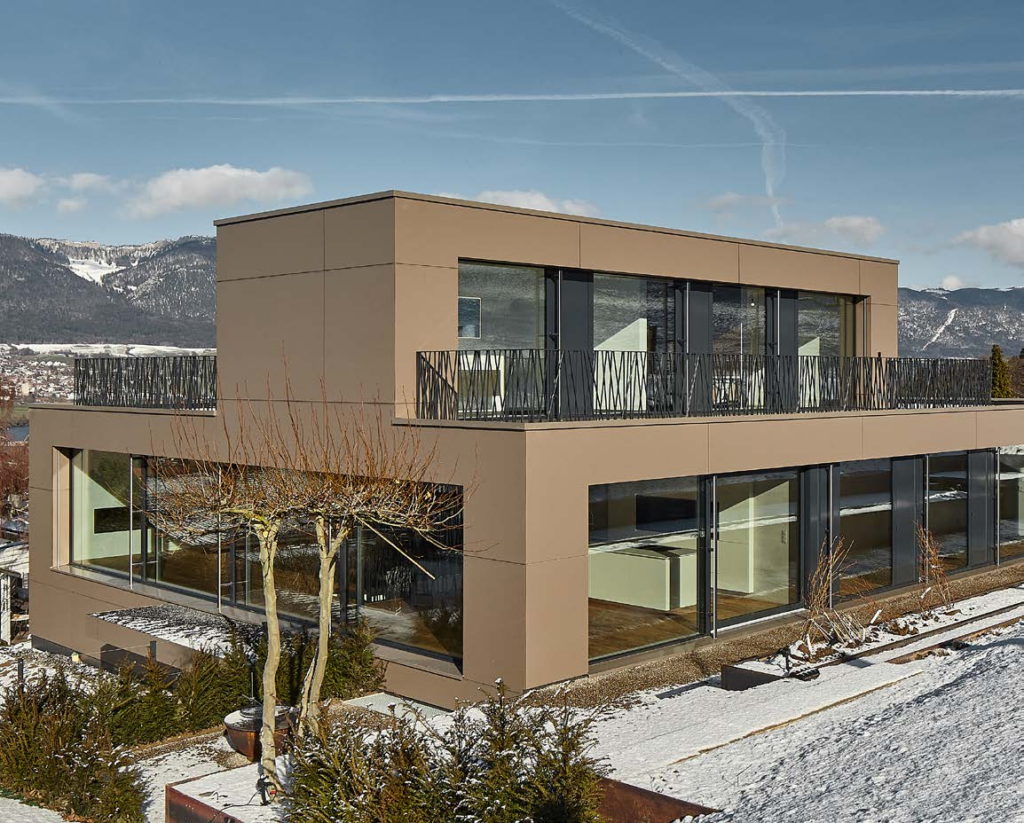
01. ACP (Aluminum Composite Panel) Cladding

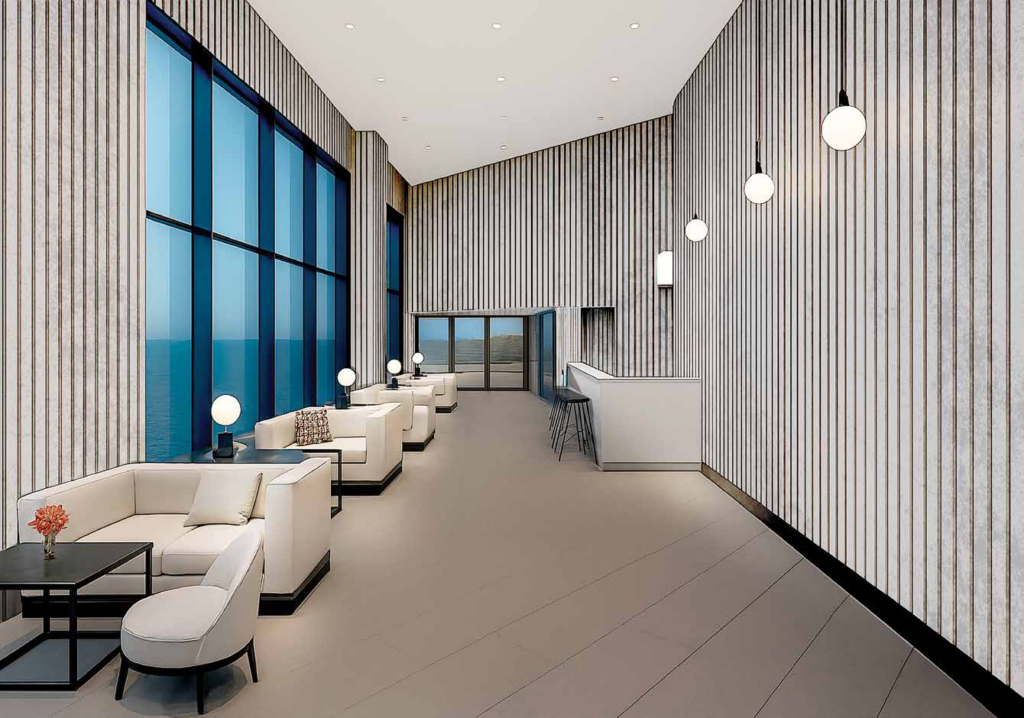
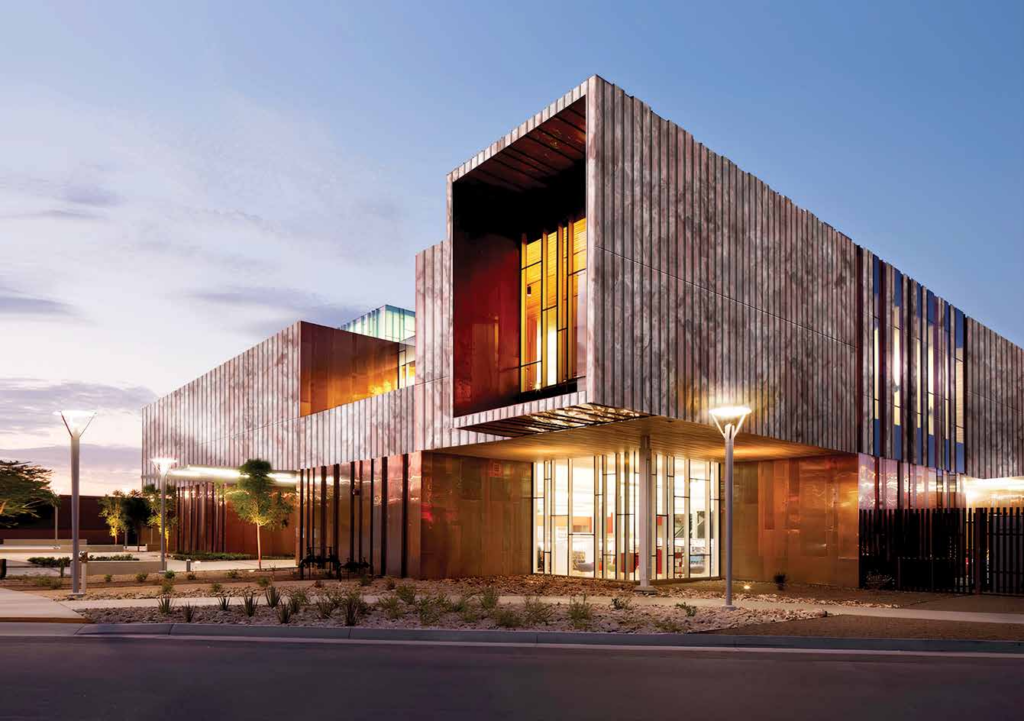
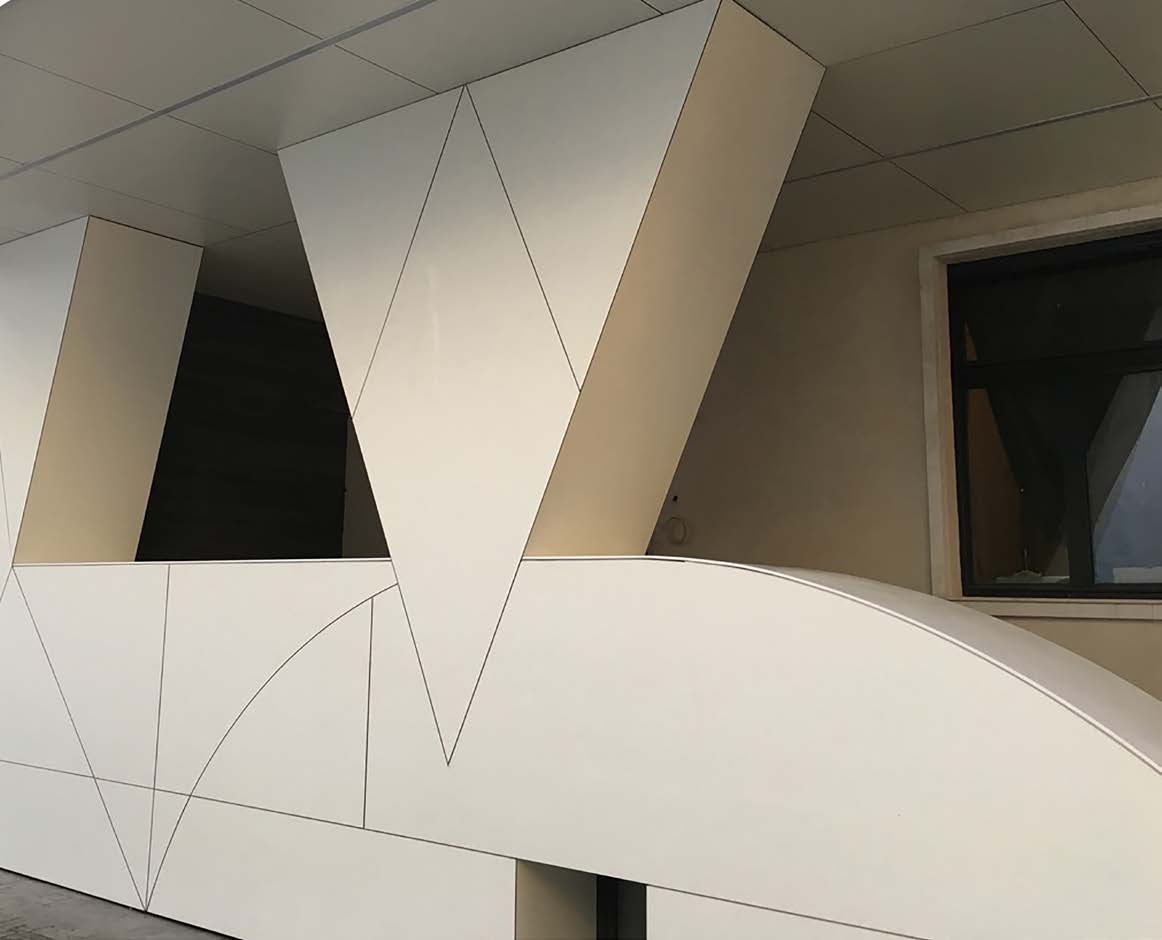
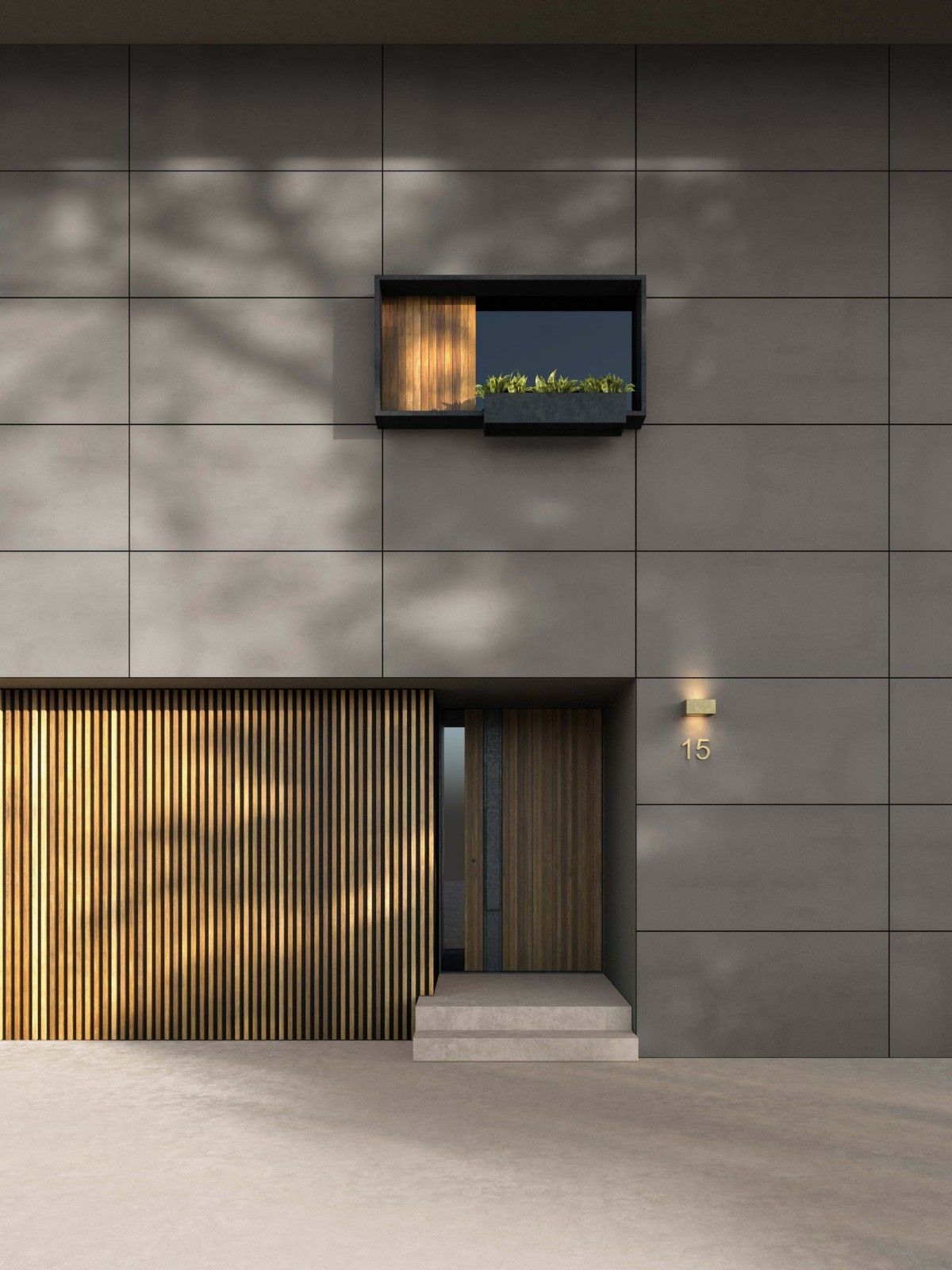
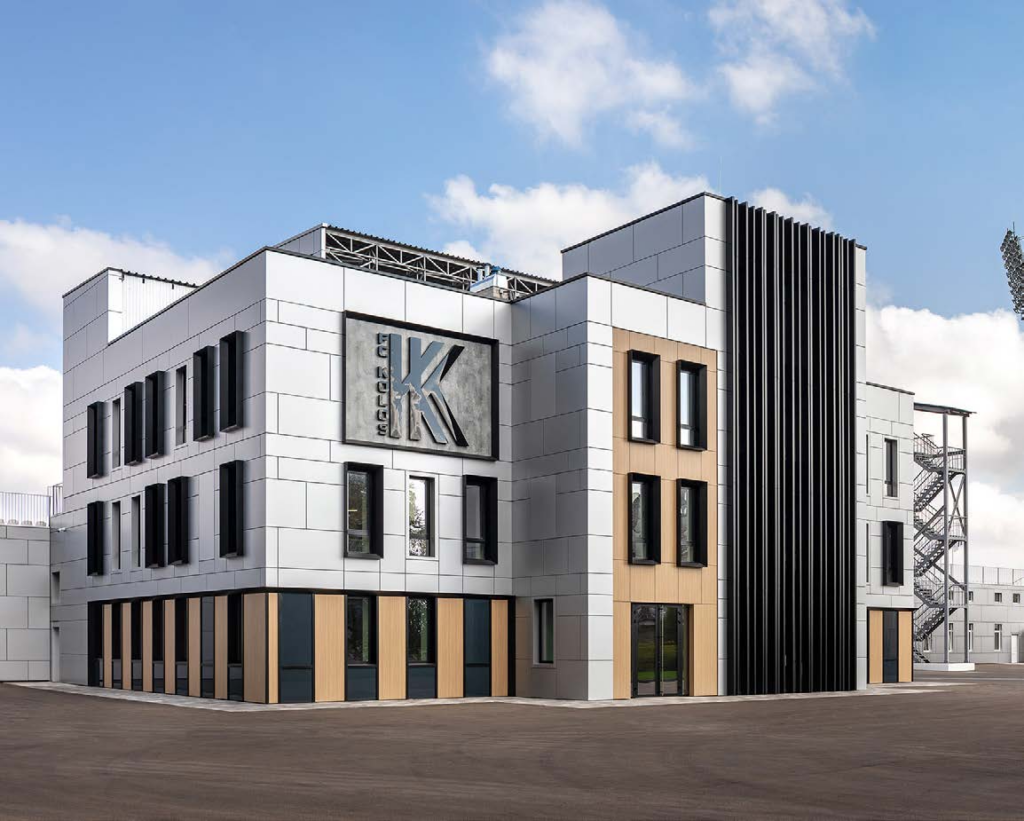
Aluminium Composite Panels (ACP sheets) are a modern marvel in construction and design, comprising two thin aluminium layers encasing a lightweight core, often a fire-retardant mineral core. ACP sheets combine aesthetics, strength, versatility, and sustainability, transforming architectural aesthetics and enhancing residential and commercial projects. Available in a wide range of colours, textures, and finishes, ACP sheets offer architects and designers an unlimited canvas for creating distinctive exteriors and interiors, whether for a modern and stylish looking building façade, sleek corporate office, a cosy home decor, or eye-catching store signage. Beyond their visual appeal, ACP sheets offer durability, weather resistance, and low maintenance, making them ideal for enduring projects that withstand the elements. Additionally, ACP cladding is eco-friendly, boasting a low carbon footprint, making it a sustainable choice for environmentally conscious individuals.
View Product Information
  • Structural Composition:
    ACP sheets are high-tech sandwich panels made of two thin aluminum skins bonded to a lightweight, often fire-retardant, mineral core.
  •  Design Versatility:
    They offer an “unlimited canvas” for architects, available in a vast array of colors, textures, and finishes that can be fabricated into complex 3D shapes.
  • Exceptional Durability:
    These panels are engineered to be weather-resistant and impervious to UV rays and moisture, ensuring that building facades retain their pristine look for years.
  • Sustainability & Maintenance:
    As an eco-friendly choice with a low carbon footprint, ACP sheets are fully recyclable and require very little cleaning or upkeep over their lifespan.
  • Broad Functionality:
    Beyond external cladding, they are widely used for interior decor, high-visibility corporate signage, and even lightweight components in the transportation industry.

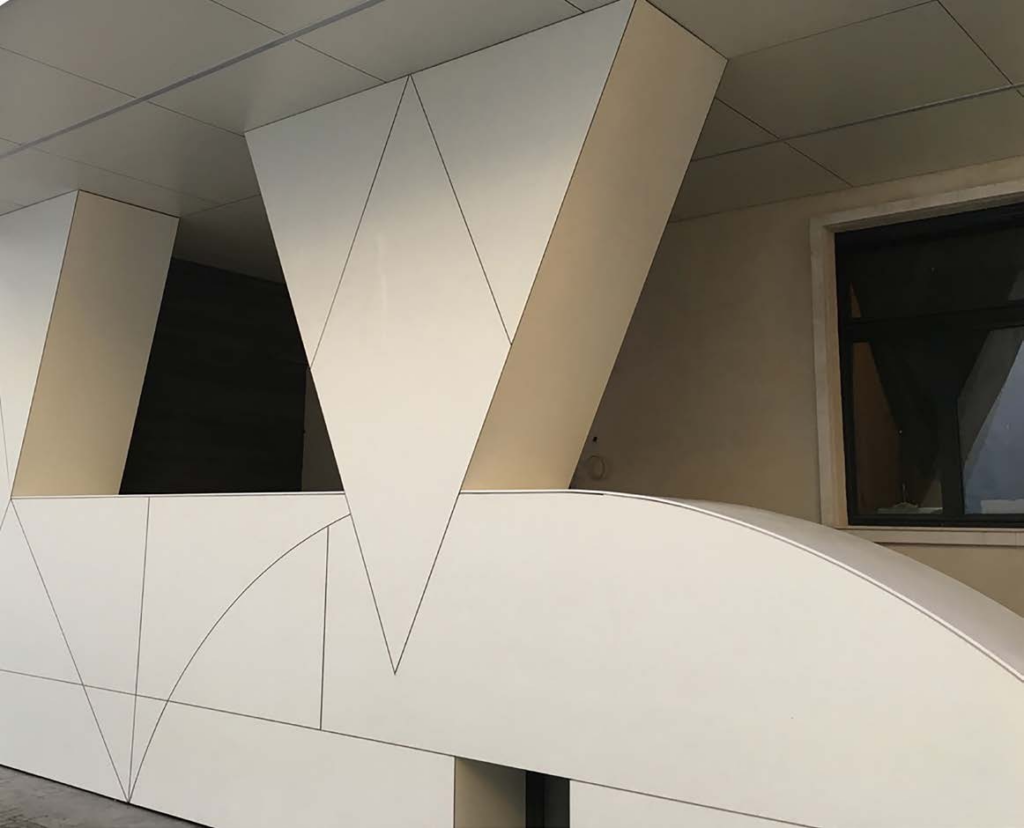
02. HPL (High-Pressure Laminate) Cladding

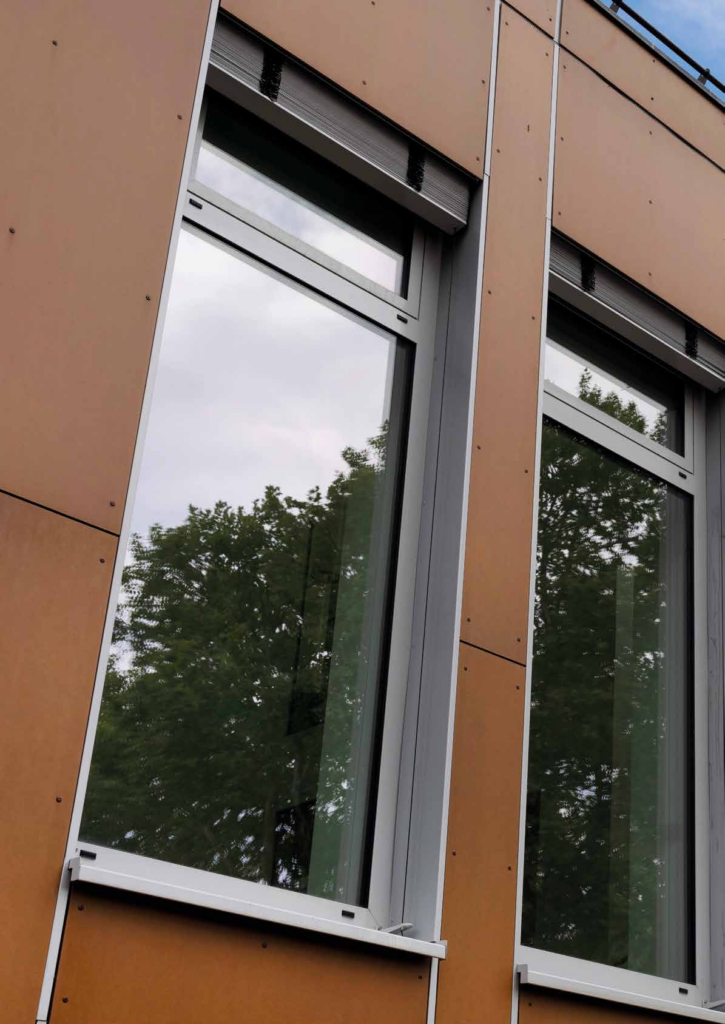
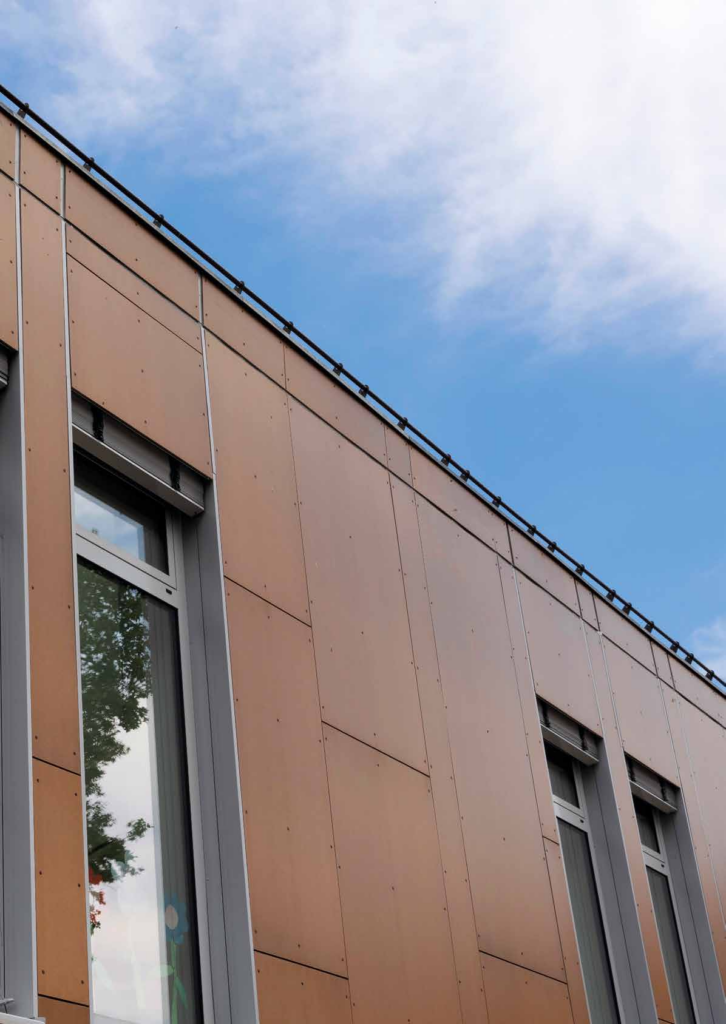
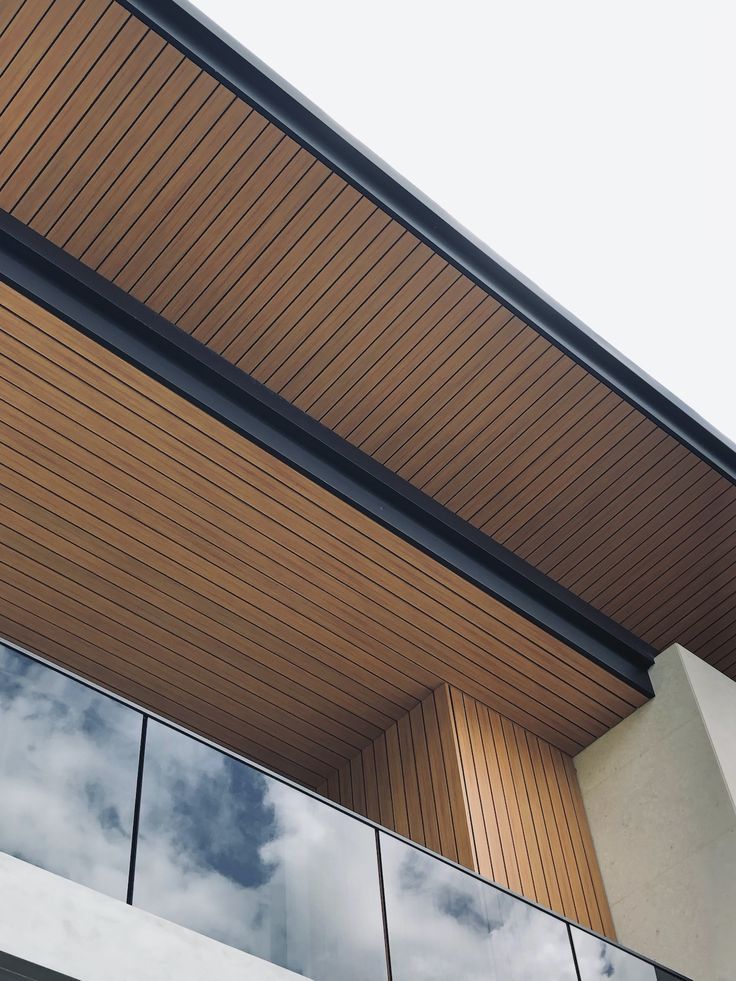
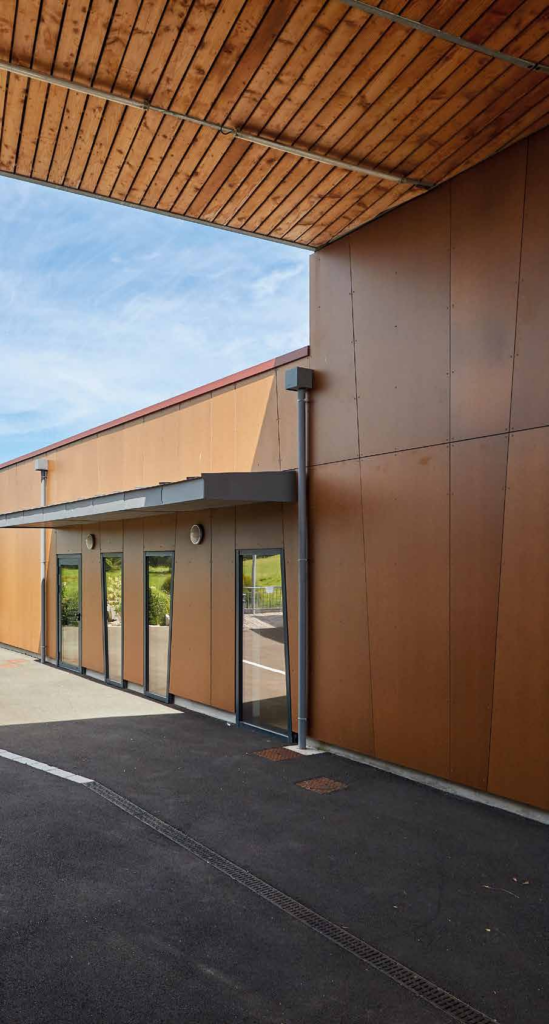
High Pressure Laminates (HPL) are high-performance cladding and surfacing materials created by fusing multiple layers of kraft paper saturated with thermosetting resins under intense heat and pressure. This process, known as polymerization, creates a high-density, non-porous slab that is exceptionally tough and resistant to environmental stress.
The Manufacturing Process
  • HPL is constructed through a “sandwich” of materials:
  • Decorative Layer: A top layer of printed paper that determines the color, pattern, or texture (wood, stone, or solid colors).
  • Overlay: A transparent, high-strength protective coating that resists scratches and UV rays.
  • Core Layers: Multiple layers of kraft paper soaked in phenolic resin, which provide the panel’s thickness and impact resistance.
View Product Information
Key Advantages
  • Weather & UV Resistance: Exterior-grade HPL is designed to withstand extreme sunlight, rain, and temperature fluctuations without fading or peeling.
  • Impact and Scratch Resistance: The high-density composition makes it nearly impossible to dent or scratch, making it ideal for high-traffic areas.
  • Anti-Bacterial & Hygienic: Because the surface is non-porous, it does not support the growth of mold or bacteria and is very easy to disinfect.
  • Aesthetic Variety: HPL can perfectly mimic natural materials like oak, walnut, or marble while offering better durability than the real materials.
Common Applications
  • HPL is divided into Interior and Exterior grades based on its intended use:
  • Building Facades
    Exterior wall cladding, balconies, and gate elevation.
  • Furniture
    Kitchen cabinets, tabletops, and office workstations.
  • Public Spaces
    Restroom cubicles, lockers, and wall panels in hospitals or malls.
  • Outdoor Elements
    Fencing, pergolas, and signage.

03. Louver & Fins Systems

Aluminum louvers and fins are architectural elements designed to control the building’s environment—specifically light, airflow, and heat—while significantly enhancing the facade’s visual character. Though they are often mentioned together, they serve slightly different functional and aesthetic roles.
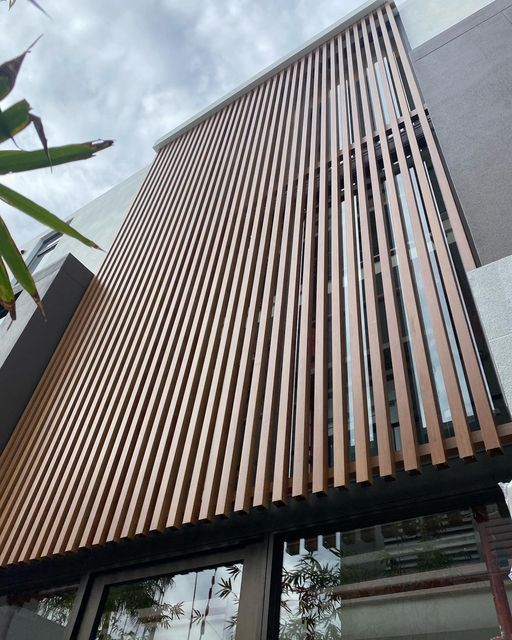
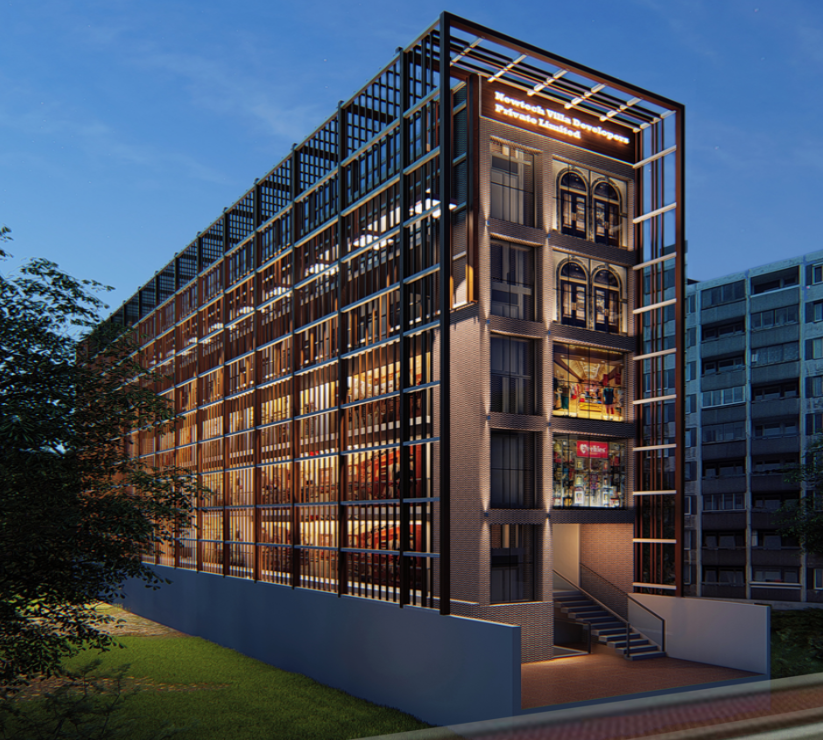
Aluminum Louvers
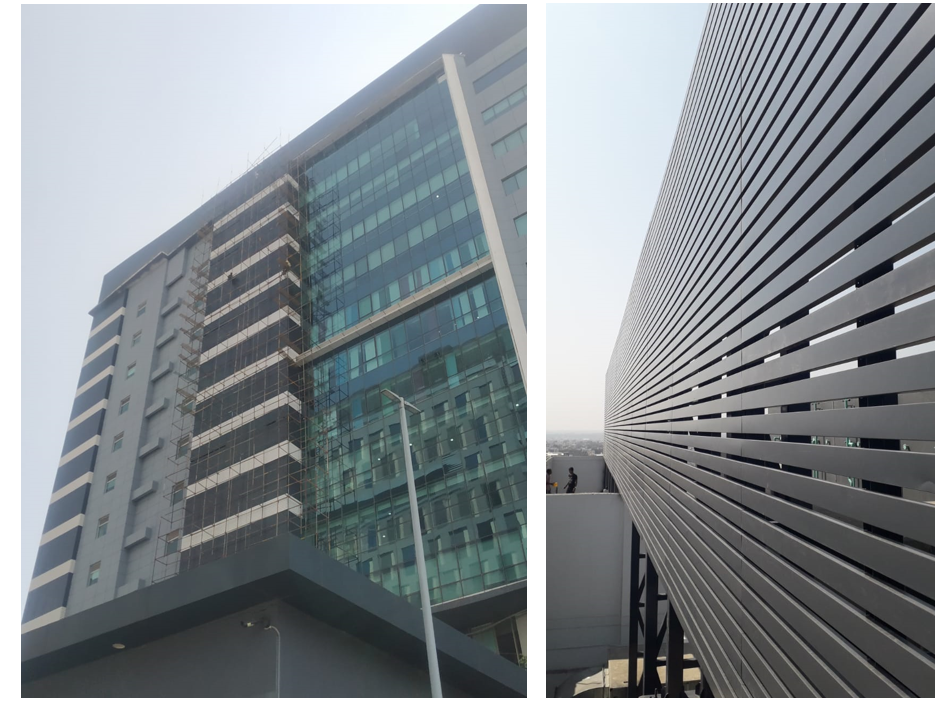
  • Louvers are a series of slanted or horizontal blades set at regular intervals. Their primary job is protection and ventilation.
  • Function: They allow air to circulate into a space (like a parking garage or a mechanical room) while blocking out direct sunlight, rain, and debris.
  • Acoustics: Specialized “acoustic louvers” are used to dampen noise from heavy machinery or HVAC systems while still allowing the units to breathe.
  • Privacy: They act as a visual screen, hiding unsightly equipment (chillers, generators) from the public eye.
  • Use Case: Often found in plant rooms, balcony railings, and service areas.
View Product Information
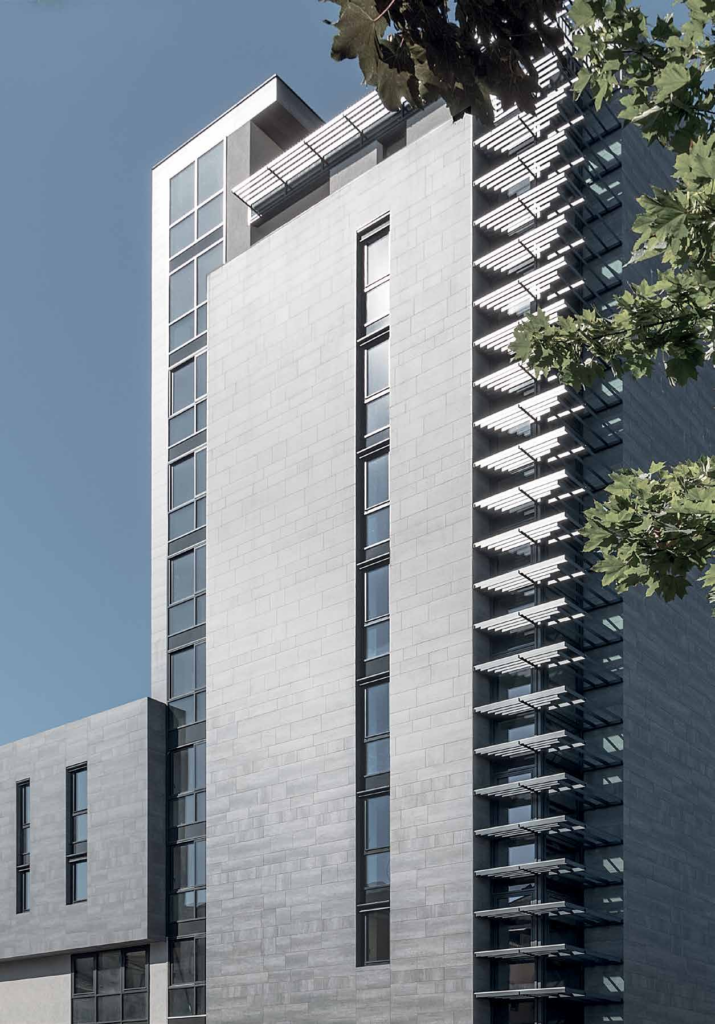
Aluminum Fins
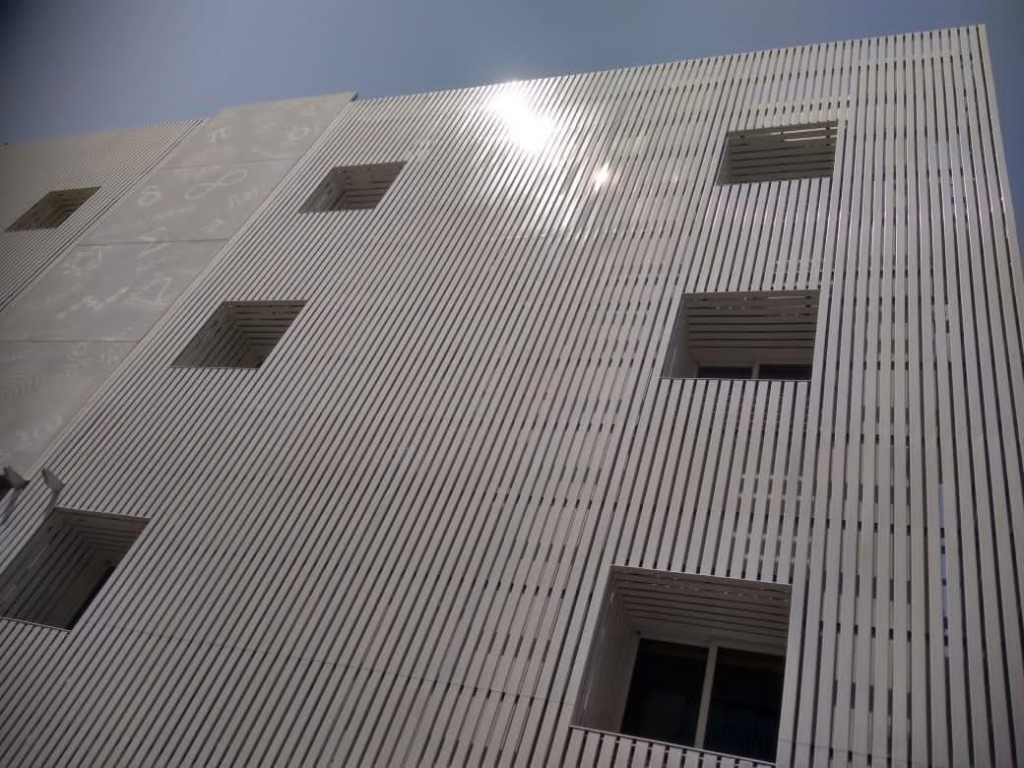
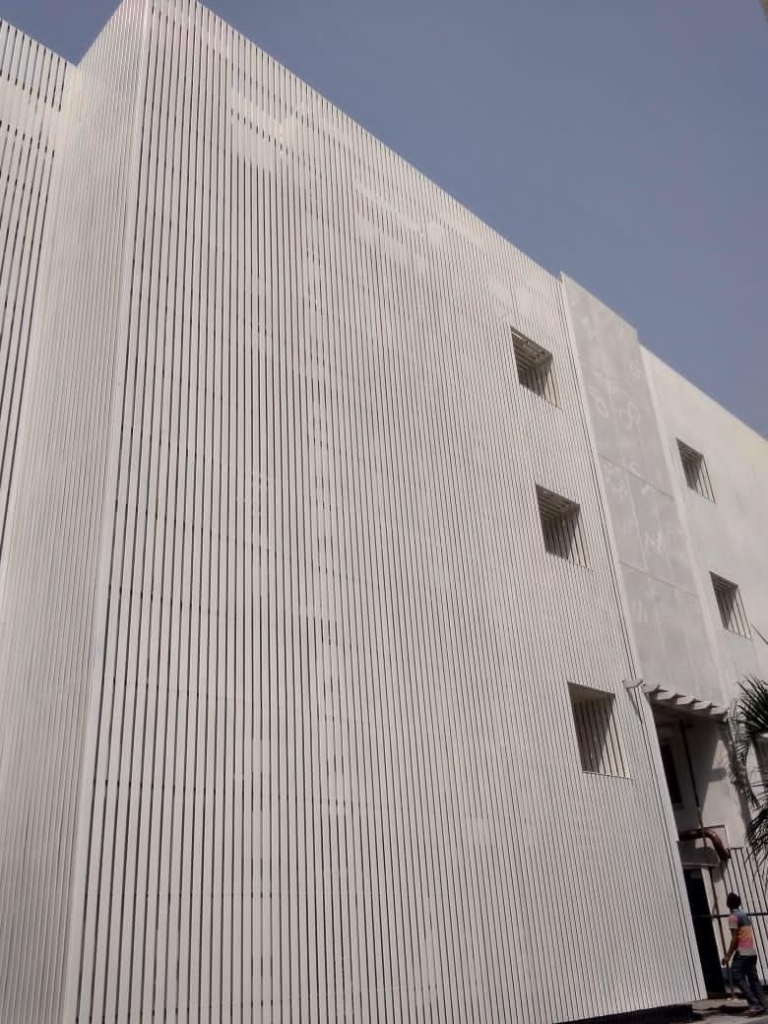
  • Fins are typically larger, more decorative vertical or horizontal members. While louvers focus on ventilation, fins focus on solar shading and pinstripe aesthetics.
  • Solar Shading: Fins are strategically placed to block the sun during the hottest parts of the day (high-altitude sun) without obstructing the views of the occupants inside.
  • Thermal Comfort: By preventing the sun from hitting the glass directly, fins drastically reduce the “greenhouse effect” inside the building, lowering air conditioning costs.
  • Aesthetic Impact: Fins give a building a sense of depth and rhythm. “Aerofoil” fins (wing-shaped) are popular for high-end corporate offices because of their sleek, aerodynamic look.
  • Use Case: Prominently featured on the exterior of glass curtain walls in office towers and airports.

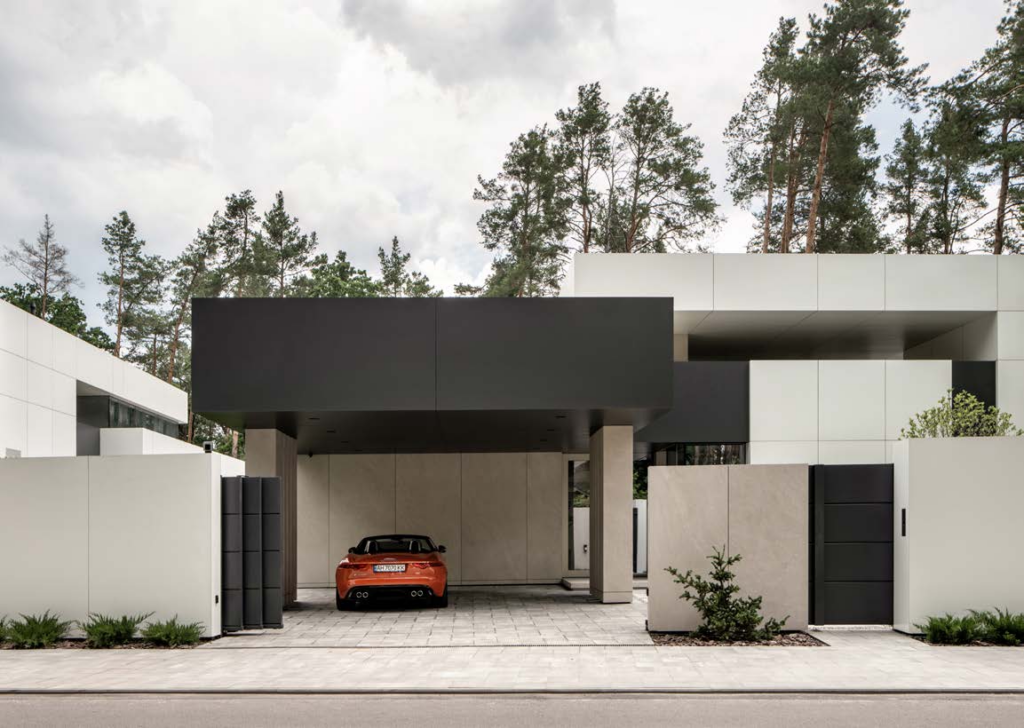
04. Sheet Cladding

in modern architecture, the choice of cladding determines not only the building’s “face” but also its thermal, acoustic, and structural performance. Here is a breakdown of Solid Sheet, Perforated Sheet, and Ribbed Panel cladding.
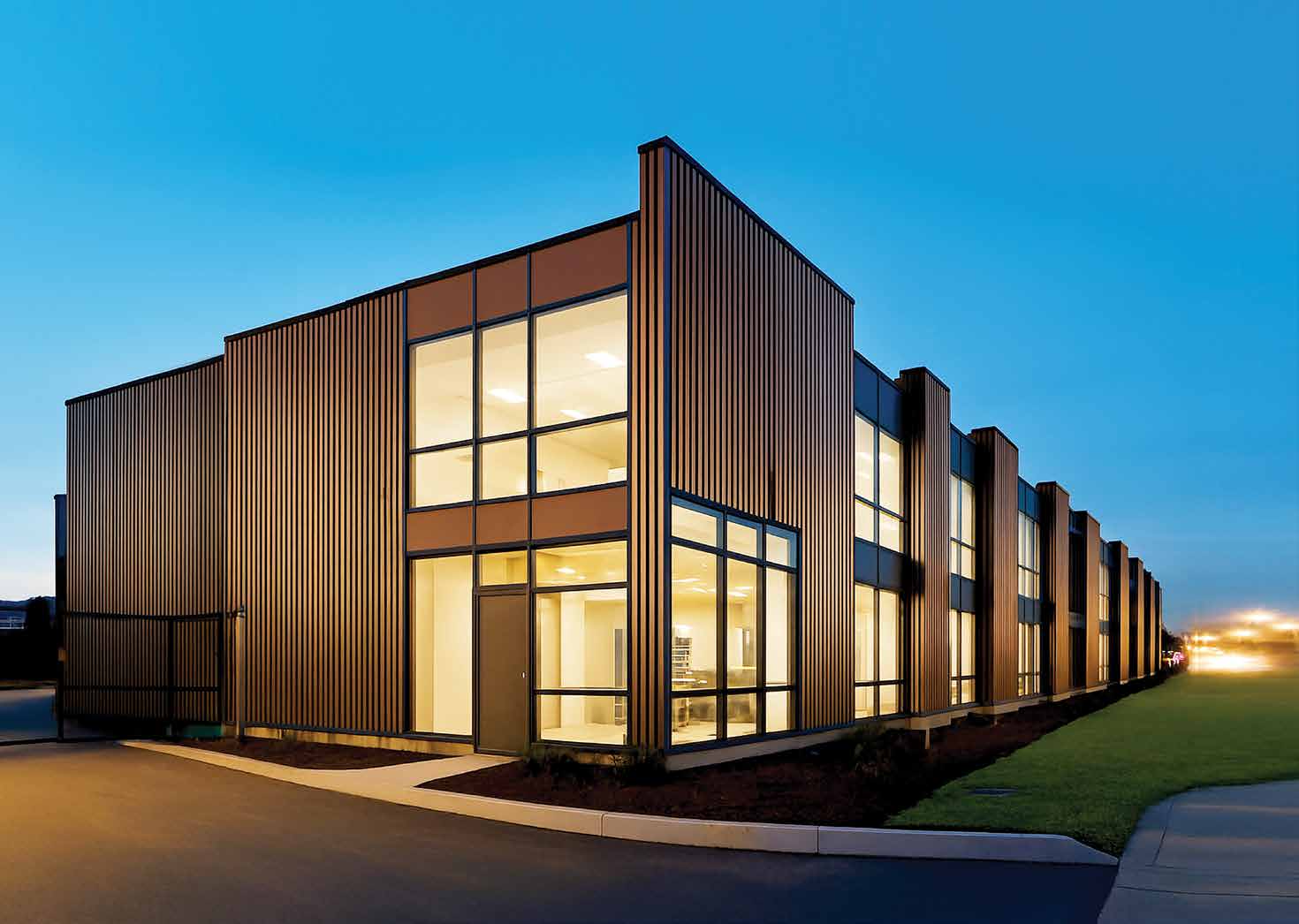
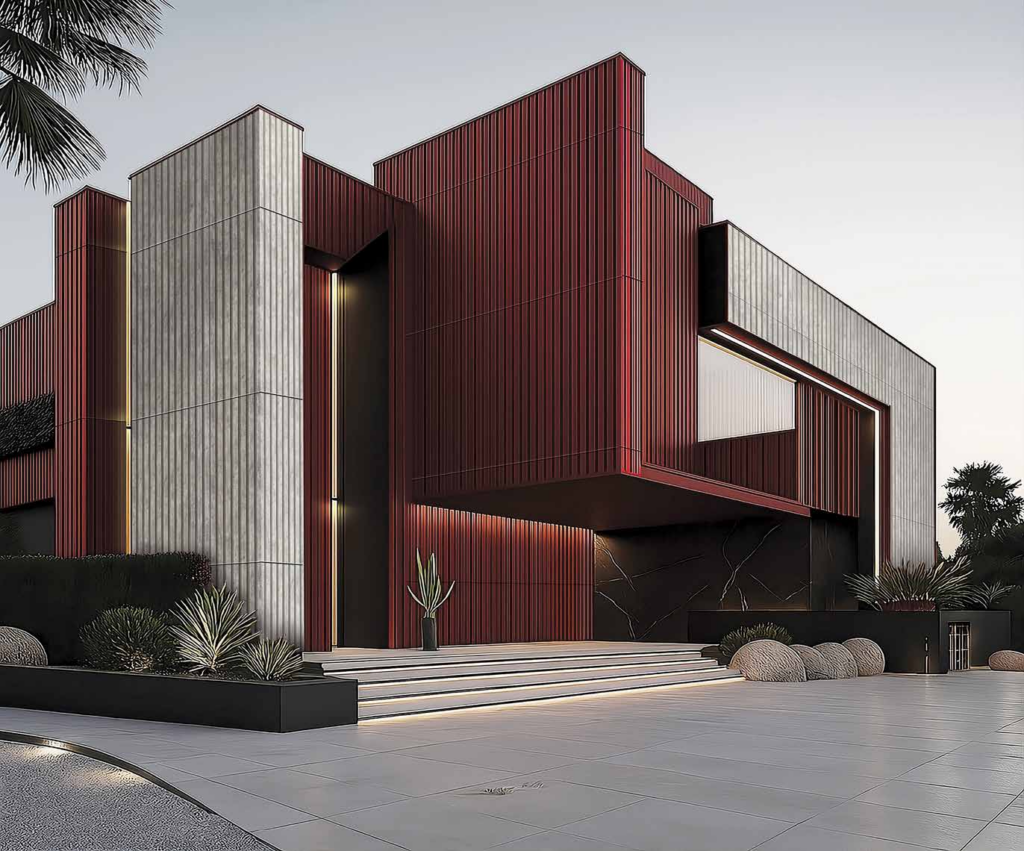
Solid Sheet Cladding
  • Solid sheet cladding consists of flat, continuous panels—usually made of aluminum, stainless steel, or zinc. It is the “standard” for creating a sleek, monolithic appearance.
  • Aesthetics: Provides a clean, minimalist, and high-end look. It can be finished in a variety of colors (powder-coated) or metallic textures (anodized).
  • Protection: Acts as a 100% weather-tight barrier. It is impermeable to water, wind, and debris.
  • Durability: High impact resistance. Because there are no holes or recesses, it is less prone to trapping dirt and is easier to clean.
  • Use Case: Ideal for high-rise commercial buildings, luxury residences, and areas requiring a high fire rating (Class A1 non-combustible).
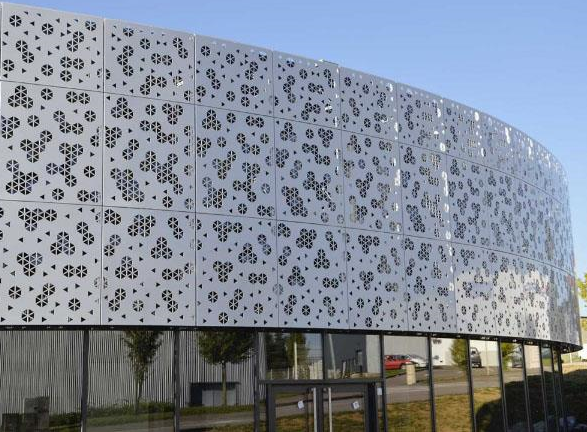
Perforated Sheet Cladding
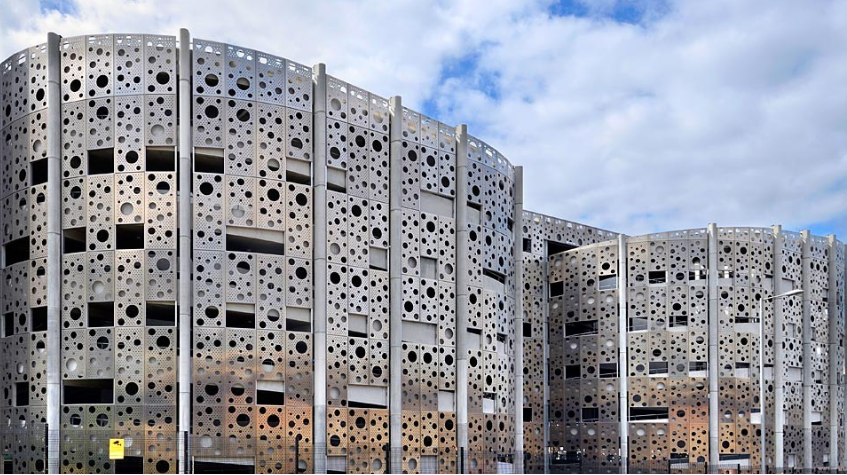
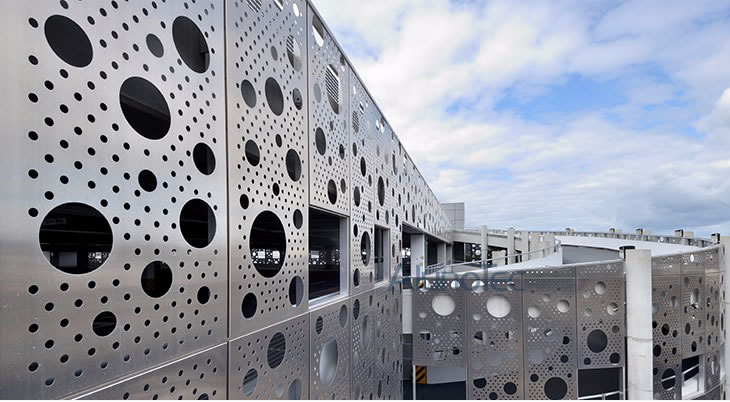
  • Perforated cladding is a metal sheet punched with a regular or custom pattern of holes. It acts as a “breathable skin” for the building.
  • Light & Airflow: Its primary advantage is transparency and ventilation. It allows natural light to filter into the building while providing solar shading to reduce heat gain.
  • Acoustics: When used in interiors or near busy roads, the holes help dissipate sound waves, significantly reducing noise levels and echoes.
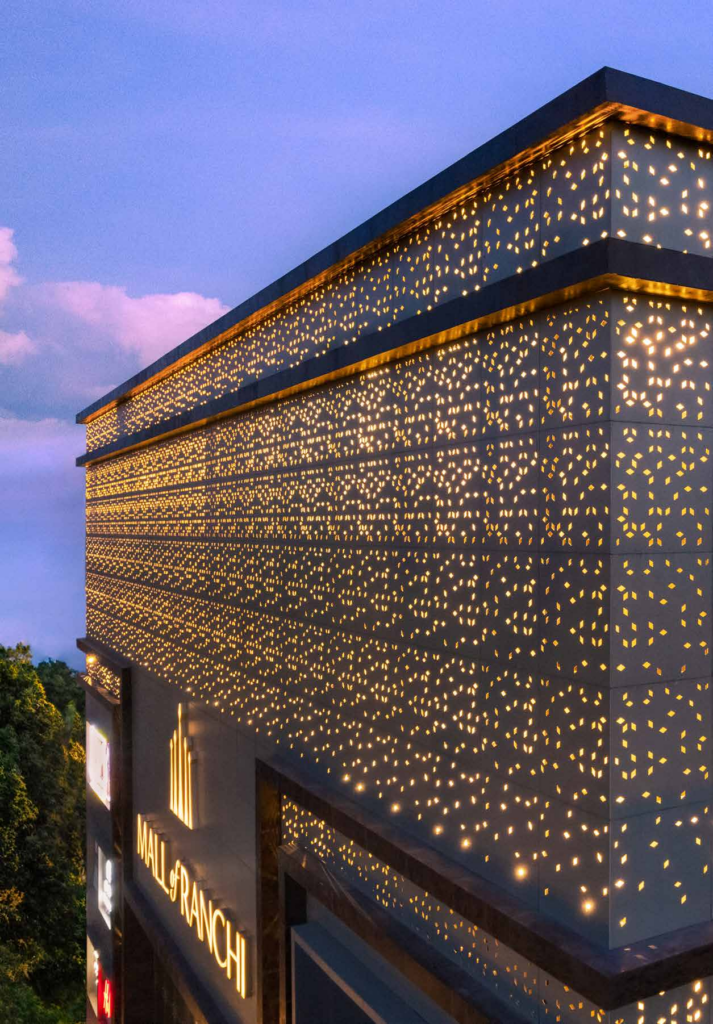
  • Visual Depth: At night, internal building lights shine through the perforations, turning the entire facade into a glowing “lantern” or a digital-art canvas.
  • Use Case: Car parks (where natural ventilation is required), sunscreens over windows, and architectural “veils” that hide mechanical equipment.
View Product Information
Solid Sheet Feature
Appearance Flat, Monolithic
Primary Function Weather Protection
Ventilation None
Cleaning Very Easy
Cost Baseline
Perforated Sheet Feature
Appearance Transparent, Mesh-like
Primary Function Shading & Ventilation
Ventilation High
Cleaning Moderate (dust in holes)
Cost Premium (machining cost)
Ribbed Panels Feature
Appearance Textured, Linear
Primary Function Strength & Texture
Ventilation Low (unless perforated)
Cleaning Moderate (dust on ribs)
Cost Economical to Mid-range
Ribbed Panels
  • Ribbed panels (also called corrugated or box-profile panels) feature a series of repetitive raised ridges or “ribs.” These can be trapezoidal, sinusoidal (wavy), or rectangular in shape.
  • Structural Strength: The “ribs” act as mini-beams, giving the panel much higher bending strength and stiffness than a flat sheet. This allows for longer spans with fewer supports.
  • Dynamic Shadow Play: The depth of the ribs creates a play of light and shadow that changes throughout the day, giving the building a textured, industrial, or rhythmic character.
  • Water Drainage: In horizontal applications (roofing) or vertical cladding, the channels efficiently guide rainwater away from the building joints.
  • Use Case: Industrial warehouses, contemporary “shed-chic” residential designs, and feature walls where a 3D texture is desired.

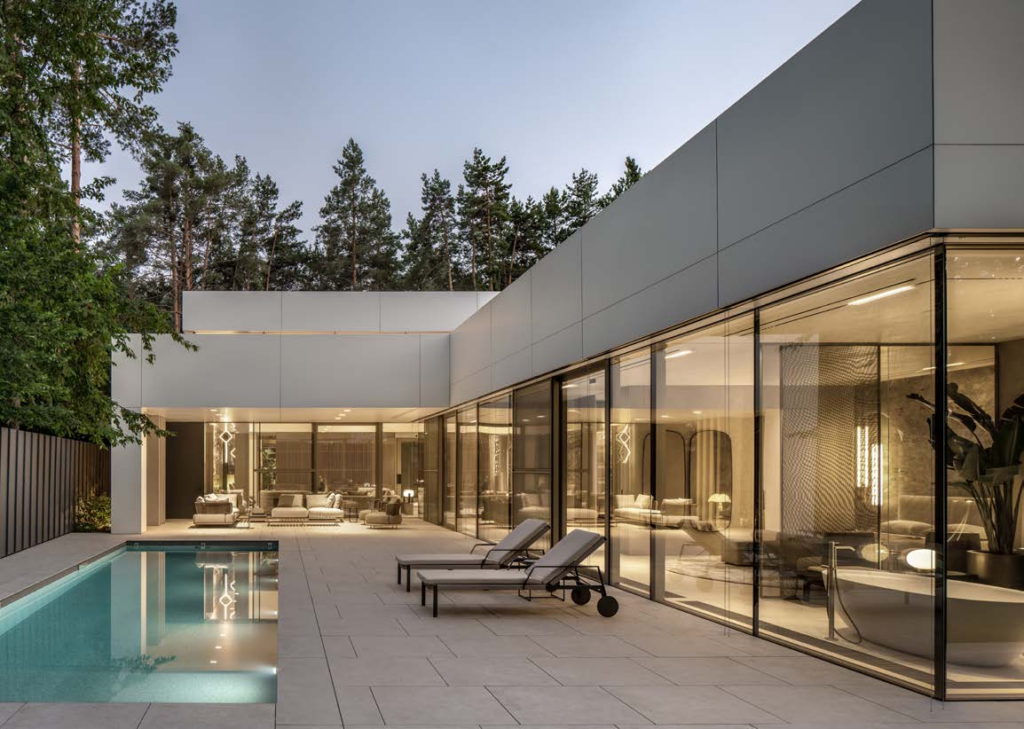
05. Stone & Tile Cladding

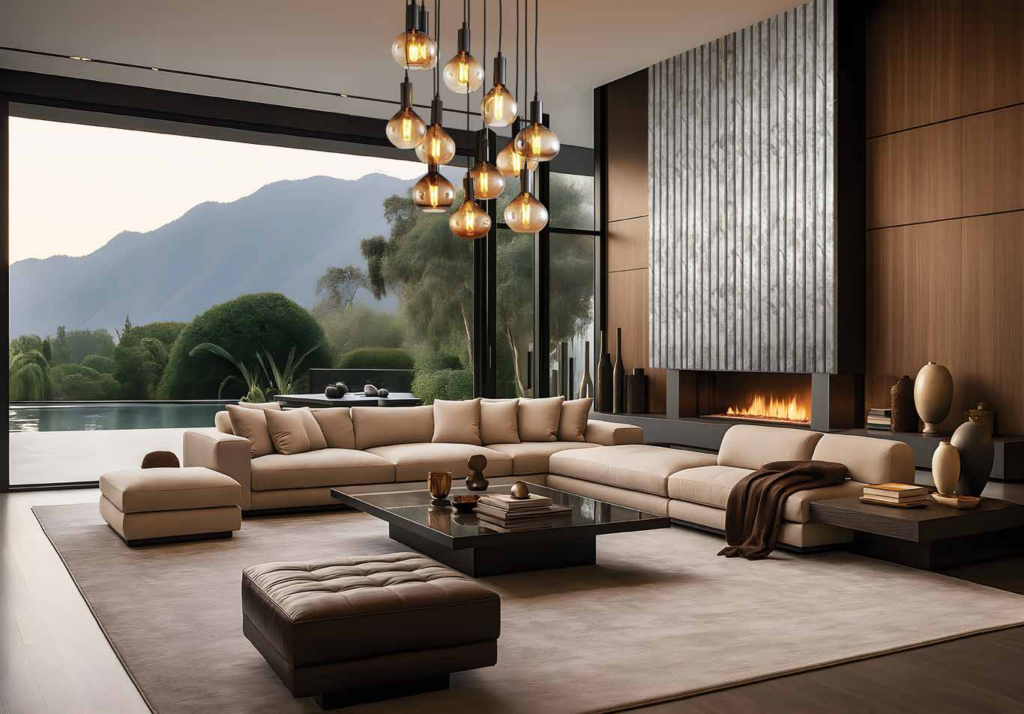
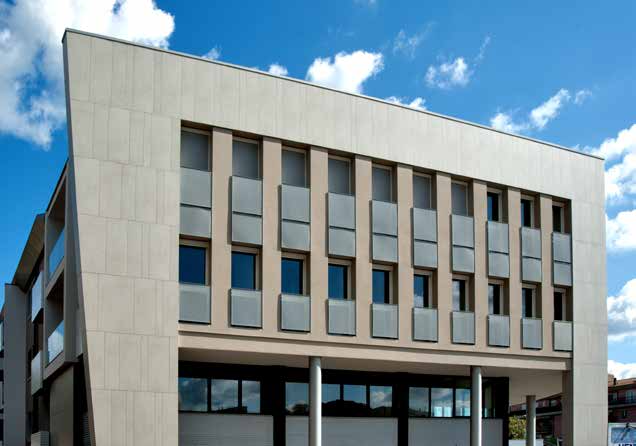
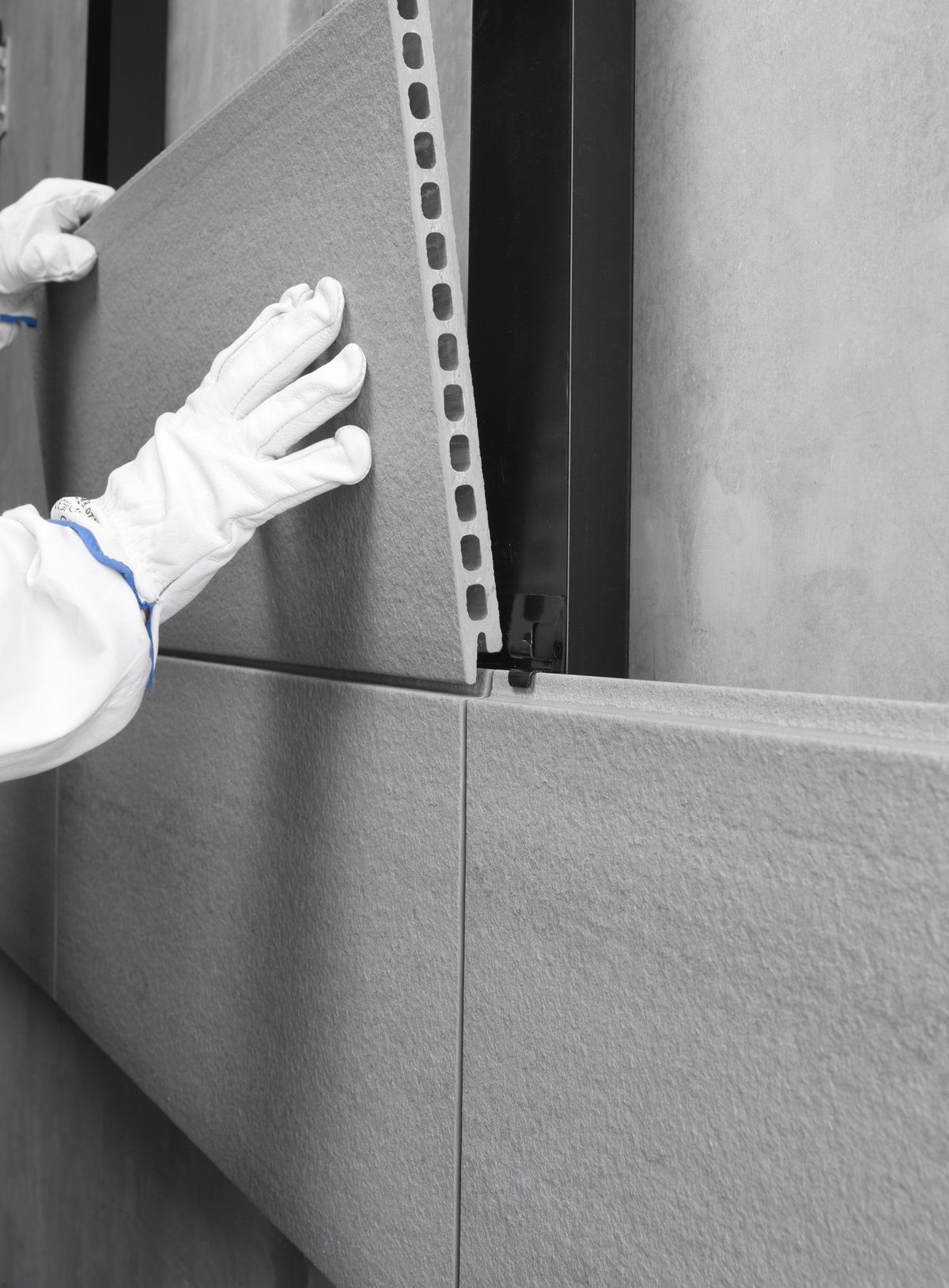
Natural and engineered stone or tile options for a classic, sophisticated, and durable exterior finish.
Key Features
  • Stonelam porcelain slabs are made up of 100% natural materials and pigments, carefully manufactured in Italy
  • UV RESISTANT
    Stonelam slabs’ colours do not fade away when exposed to sunlight or other extreme weather conditions
  • FIRE RESISTANT
    No organic materials are used in the production of Stonelam slabs. When in contact with fire, it does not
    burn or emit smoke or toxic substances
  • SCRATCH RESISTANT
    Stonelam slab’s hard surface makes it resistant to scratches and abrasions. The properties remain unchanged even after intensive use and frequent cleaning
  • ECO-FRIENDLY
    Stonelam slabs are made from natural raw materials and sustainable technology. It does not emit any harmful
    substances into the environment
  • CHEMICAL RESISTANT
    Stonelam slabs are resistant to most organic and inorganic
    solvents*
View Product Information
  • WATER & FROST RESISTANT
    With a water porosity level of lesser than 0.1%, Stonelam slabs are resistant to liquids and frost and can handle low
    temperatures with ease
  • GRAFFITI AND STAIN-PROOF
    Stains of any kind and the strongest of paints can be easily removed from Stonelam slabs, making the colour last
    longer
  • THE FIBREMESH ADVANTAGE
    Stonelam structurally reinforces slabs with double-coated fibremesh. This allows for superior bonding with the original structure and sturdier application
  • WEATHER-PROOF
    Stonelam slabs can resist moisture, UV rays, high temperatures and frost. This enables them to retain their features and chromatic properties for long periods of time when compared to traditional solutions like natural stones, ACP and paints
  • DIMENSIONAL STABILITY
    Stonelam slabs are not subject to dimensional variation of any significance, as they have a low coefficient of thermal expansion
  • CUT TO FIT YOUR WALLS PERFECTLY
    Stonelam slabs are 3 metres in length, that is the height of an average Indian room. This means a perfect fit, zero wastage or rough cuts
  • 25 YEARS WARRANTY
    Stonelam’s commitment to the protection and preservation of every slab’s properties makes it one of the few providers of a 25-Year colour warranty
  • EXTREMELY LIGHTWEIGHT
    With 3mm+ slabs weighing 750g/sq. ft. and 5mm+ weighing just 1.3kg/sq. ft. , Stonelam slabs are easy to handle and add less dead load to buildings. This also has other advantages like lower application costs, time saving and lesser wastage
  • PERFECT RIGHT ANGLES
    Stonelam slabs are cut at perfect 90-degree angle, removing the need for additional cutting. This reduces unnecessary wastage and leads to lower costs and superior aesthetics