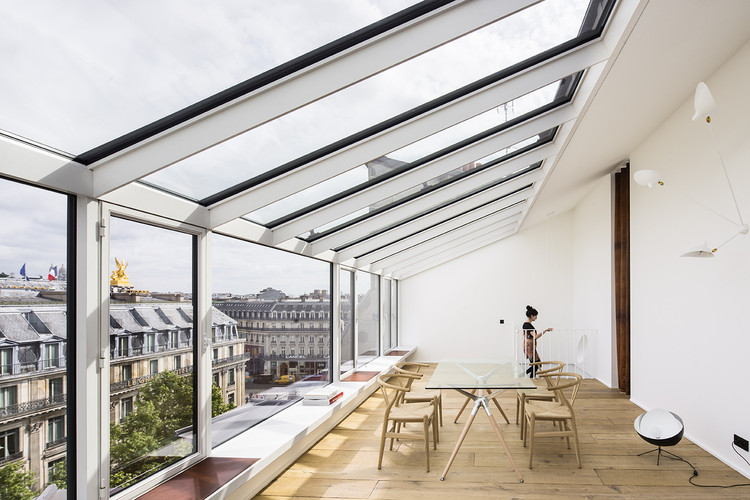
A glass skylight is more than just a window in the roof; it is a specialized architectural feature designed to transform the atmosphere of an interior space by introducing natural light, improving ventilation, and enhancing energy efficiency. Unlike plastic or acrylic alternatives, glass skylights offer superior clarity, longevity, and thermal performance.
Types of Glass Skylights
- Choosing the right skylight depends on your goals—whether you want simple illumination, fresh air, or a specific design aesthetic.
- Fixed Skylights: These are permanently sealed units. They are the most common type, ideal for high-ceiling areas where you want light but don’t need additional ventilation. They are generally more leak-resistant because they have no moving parts.
- Vented (Operable) Skylights: These function like windows for your roof. They can be opened manually (with a pole) or electronically to allow hot air to escape and fresh air to enter. Many modern models include rain sensors that automatically close the unit at the first sign of moisture.
- Tubular Skylights: Small, circular devices that use a reflective tube to “pipe” sunlight into small or windowless spaces like hallways, bathrooms, or closets.
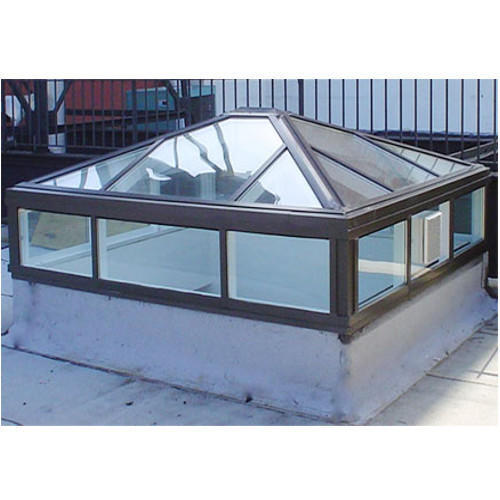
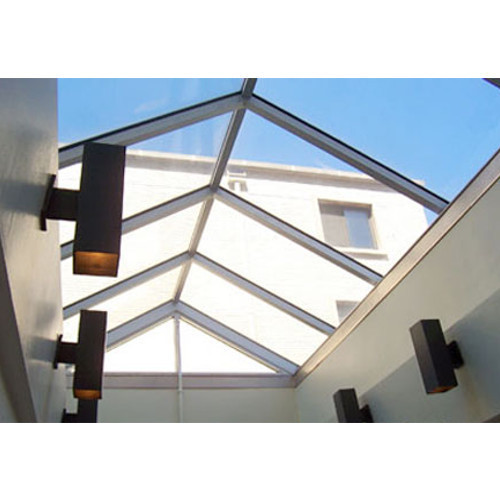
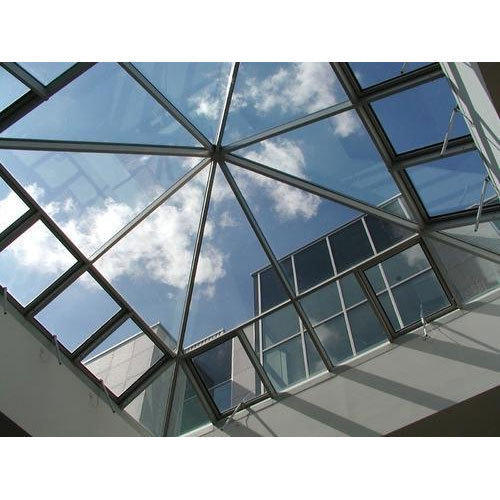
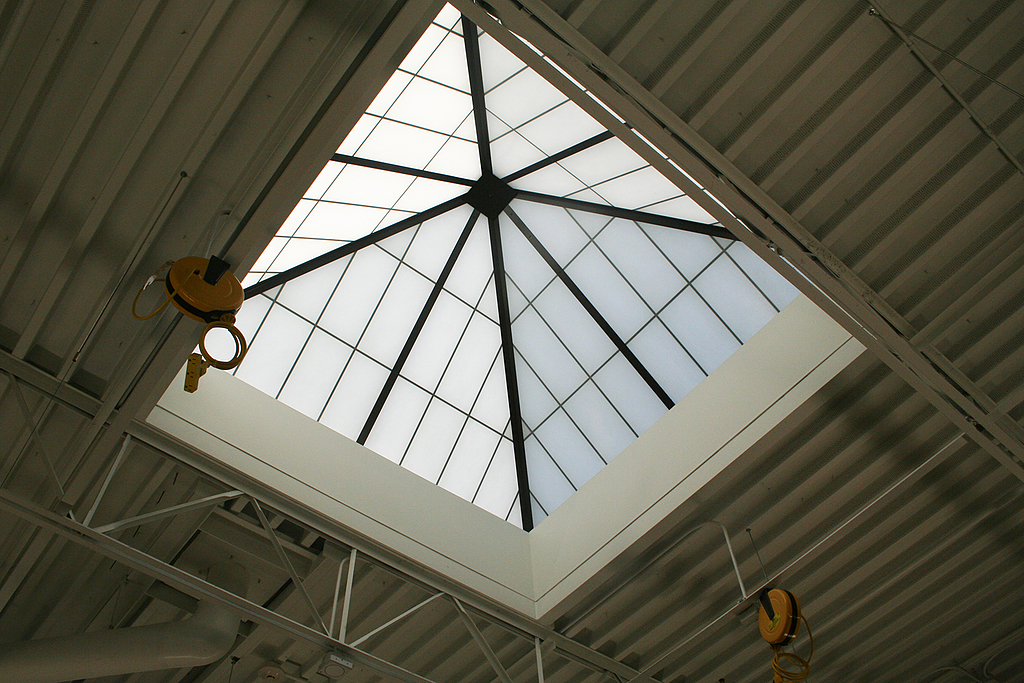
- Pyramid & Lantern Skylights: These are multi-sided, raised structures often found on flat roofs. Their shape allows them to capture light from multiple angles throughout the day and serves as a dramatic architectural focal point.
Benefits of Choosing Laminated Glass
- While acrylic (plastic) skylights are cheaper and lighter, Laminated glass is widely considered the premium choice for several reasons:
- Clarity: Glass does not “yellow” or become brittle over time like plastic does.
- Noise Reduction: Thick, Laminated glass provides significantly better sound insulation against rain, wind, and traffic.
- Durability:Sentry Laminated Glass is highly Secured, can withstand Live loads
Key Installation Considerations
- To avoid the common “skylights always leak” myth, proper installation is vital:
- The Curb: This is the raised frame the skylight sits on. It must be high enough (usually 6 inches) to prevent water or snow from pooling against the seals.
- Orientation: * North-facing: Provides consistent, cool, diffused light.
- South-facing: Provides the most intense light and “passive” heat in winter but can cause overheating in summer.
- East/West-facing: Provides strong morning or afternoon sun, respectively.
- Flashing: This is the metal “skirt” around the skylight that directs water away. Using the manufacturer’s specific flashing kit is the best way to ensure a watertight seal.