in modern architecture, the choice of cladding determines not only the building’s “face” but also its thermal, acoustic, and structural performance. Here is a breakdown of Solid Sheet, Perforated Sheet, and Ribbed Panel cladding.
Solid Sheet Cladding
- Solid sheet cladding consists of flat, continuous panels—usually made of aluminum, stainless steel, or zinc. It is the “standard” for creating a sleek, monolithic appearance.
- Aesthetics: Provides a clean, minimalist, and high-end look. It can be finished in a variety of colors (powder-coated) or metallic textures (anodized).
- Protection: Acts as a 100% weather-tight barrier. It is impermeable to water, wind, and debris.
- Durability: High impact resistance. Because there are no holes or recesses, it is less prone to trapping dirt and is easier to clean.
- Use Case: Ideal for high-rise commercial buildings, luxury residences, and areas requiring a high fire rating (Class A1 non-combustible).
Perforated Sheet Cladding
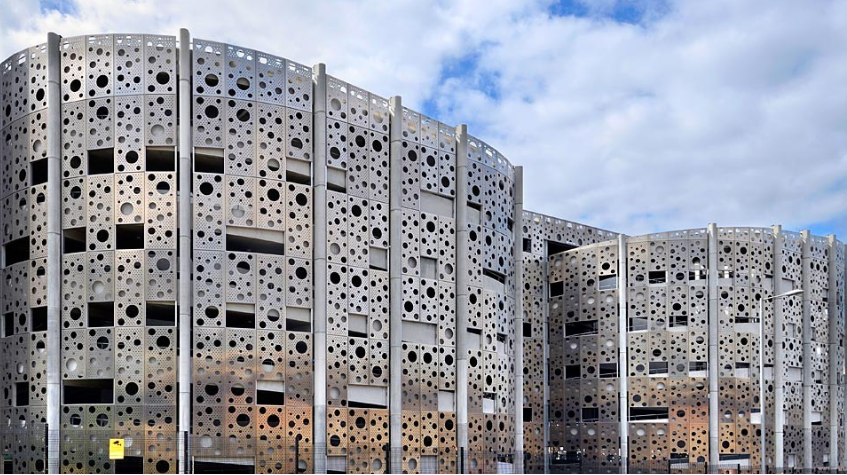
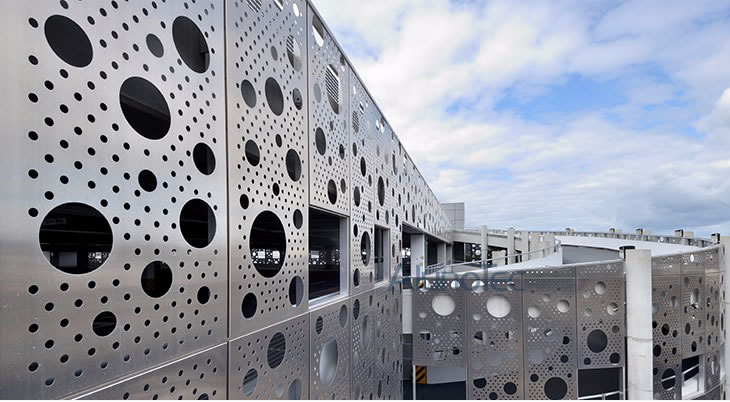
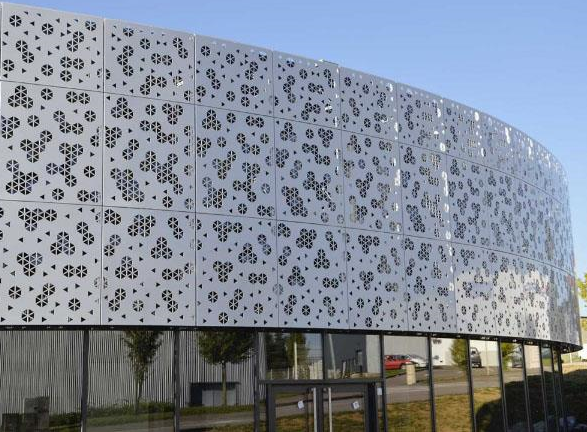
- Perforated cladding is a metal sheet punched with a regular or custom pattern of holes. It acts as a “breathable skin” for the building.
- Light & Airflow: Its primary advantage is transparency and ventilation. It allows natural light to filter into the building while providing solar shading to reduce heat gain.
- Acoustics: When used in interiors or near busy roads, the holes help dissipate sound waves, significantly reducing noise levels and echoes.
- Visual Depth: At night, internal building lights shine through the perforations, turning the entire facade into a glowing “lantern” or a digital-art canvas.
- Use Case: Car parks (where natural ventilation is required), sunscreens over windows, and architectural “veils” that hide mechanical equipment.
Solid Sheet Feature
Appearance
Flat, Monolithic
Primary Function
Weather Protection
Ventilation
None
Cleaning
Very Easy
Cost
Baseline
Perforated Sheet Feature
Appearance
Transparent, Mesh-like
Primary Function
Shading & Ventilation
Ventilation
High
Cleaning
Moderate (dust in holes)
Cost
Premium (machining cost)
Ribbed Panels Feature
Appearance
Textured, Linear
Primary Function
Strength & Texture
Ventilation
Low (unless perforated)
Cleaning
Moderate (dust on ribs)
Cost
Economical to Mid-range
Ribbed Panels
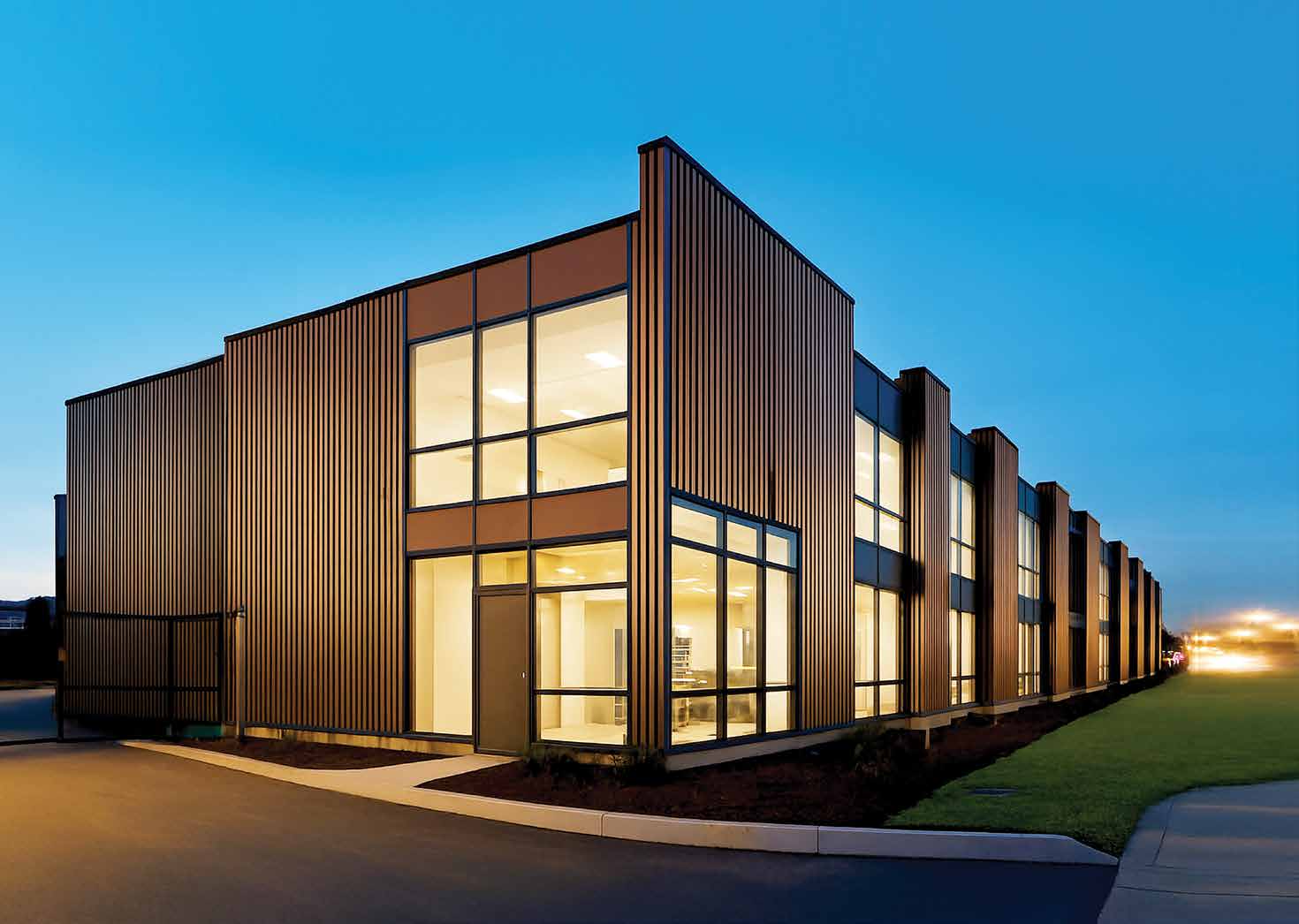
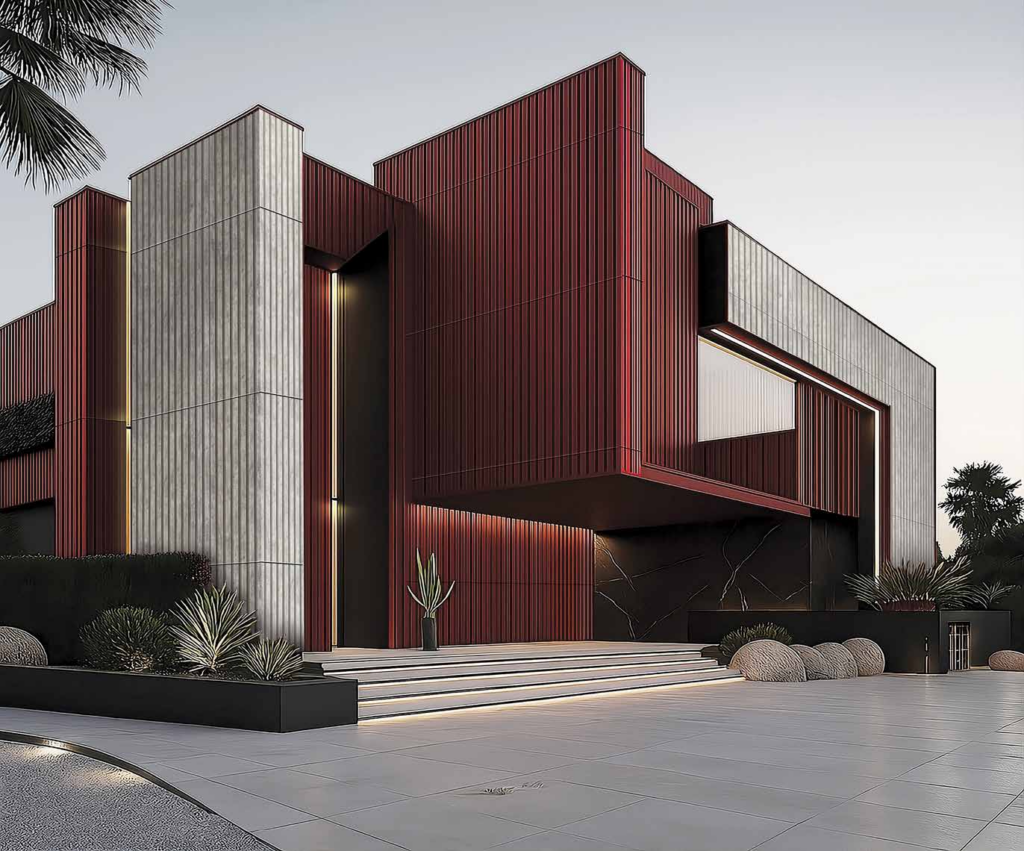
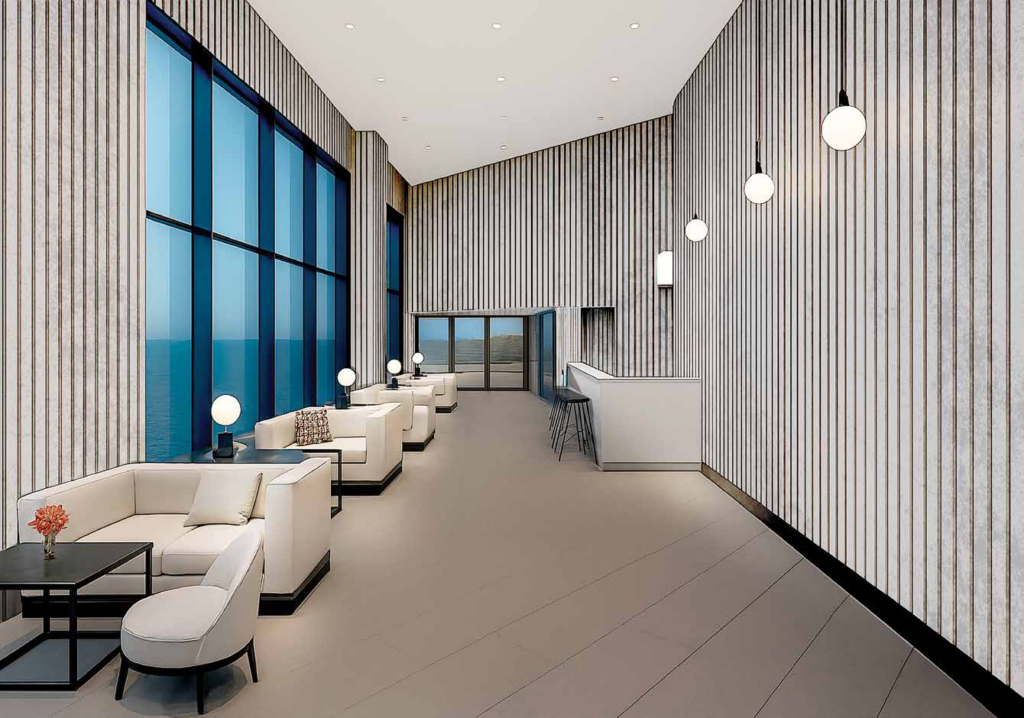
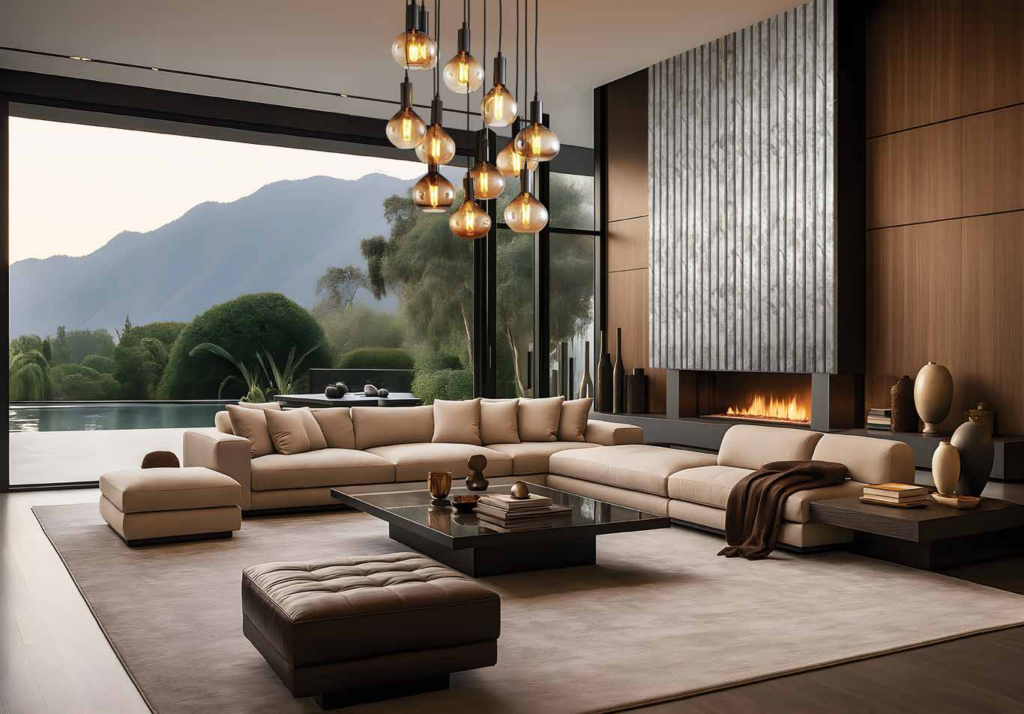
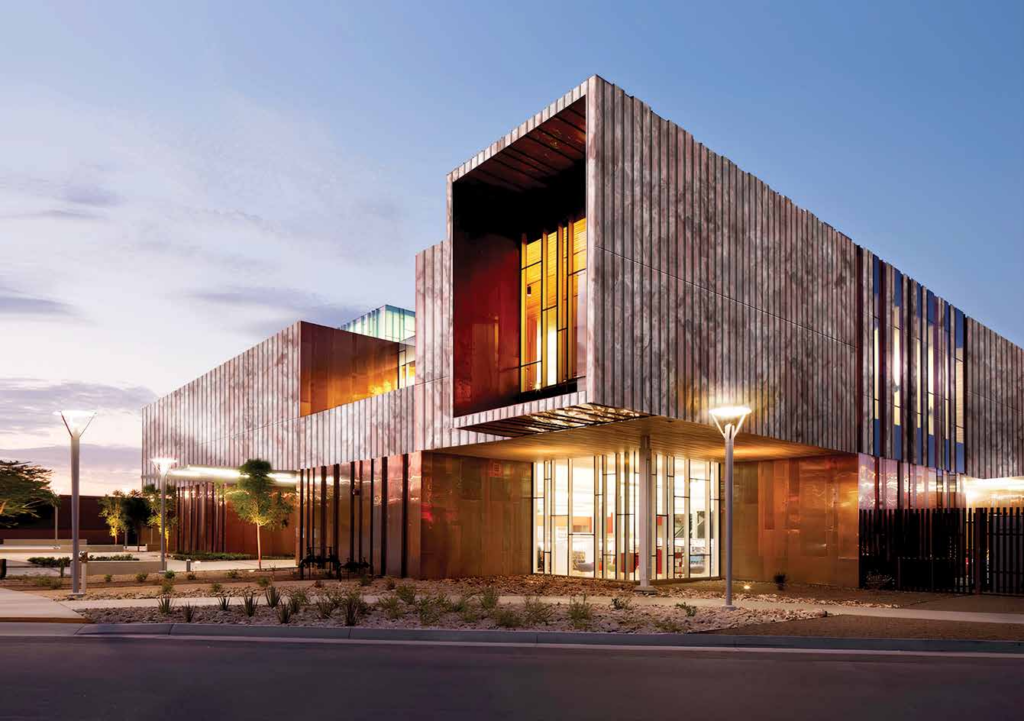
- Ribbed panels (also called corrugated or box-profile panels) feature a series of repetitive raised ridges or “ribs.” These can be trapezoidal, sinusoidal (wavy), or rectangular in shape.
- Structural Strength: The “ribs” act as mini-beams, giving the panel much higher bending strength and stiffness than a flat sheet. This allows for longer spans with fewer supports.
- Dynamic Shadow Play: The depth of the ribs creates a play of light and shadow that changes throughout the day, giving the building a textured, industrial, or rhythmic character.
- Water Drainage: In horizontal applications (roofing) or vertical cladding, the channels efficiently guide rainwater away from the building joints.
- Use Case: Industrial warehouses, contemporary “shed-chic” residential designs, and feature walls where a 3D texture is desired.