Sliding vs Casement Windows: Which Is Right for Your Home?
Sliding windows save space and work well where shutters should not project into the room or balcony. Casement windows usually seal more tightly when closed and can offer stronger ventilation control. The better choice depends on room layout, wind and rain exposure, noise needs, safety, maintenance access, and the window system being specified.
Picking windows isn’t only about frame colour and how much glass you want. The way a window opens changes how much air you get, how much room you lose, how noisy the room is, how well it handles rain, and how comfortable the room feels day to day.
Sliding and casement are the two types you’ll run into most in modern buildings, homes and offices alike. They both do the job, but in quite different ways.
So, which one should you go for? It depends on the room, the layout of the building, your local weather and how you’ll use the window. Let’s go through it.
1. The sliding window
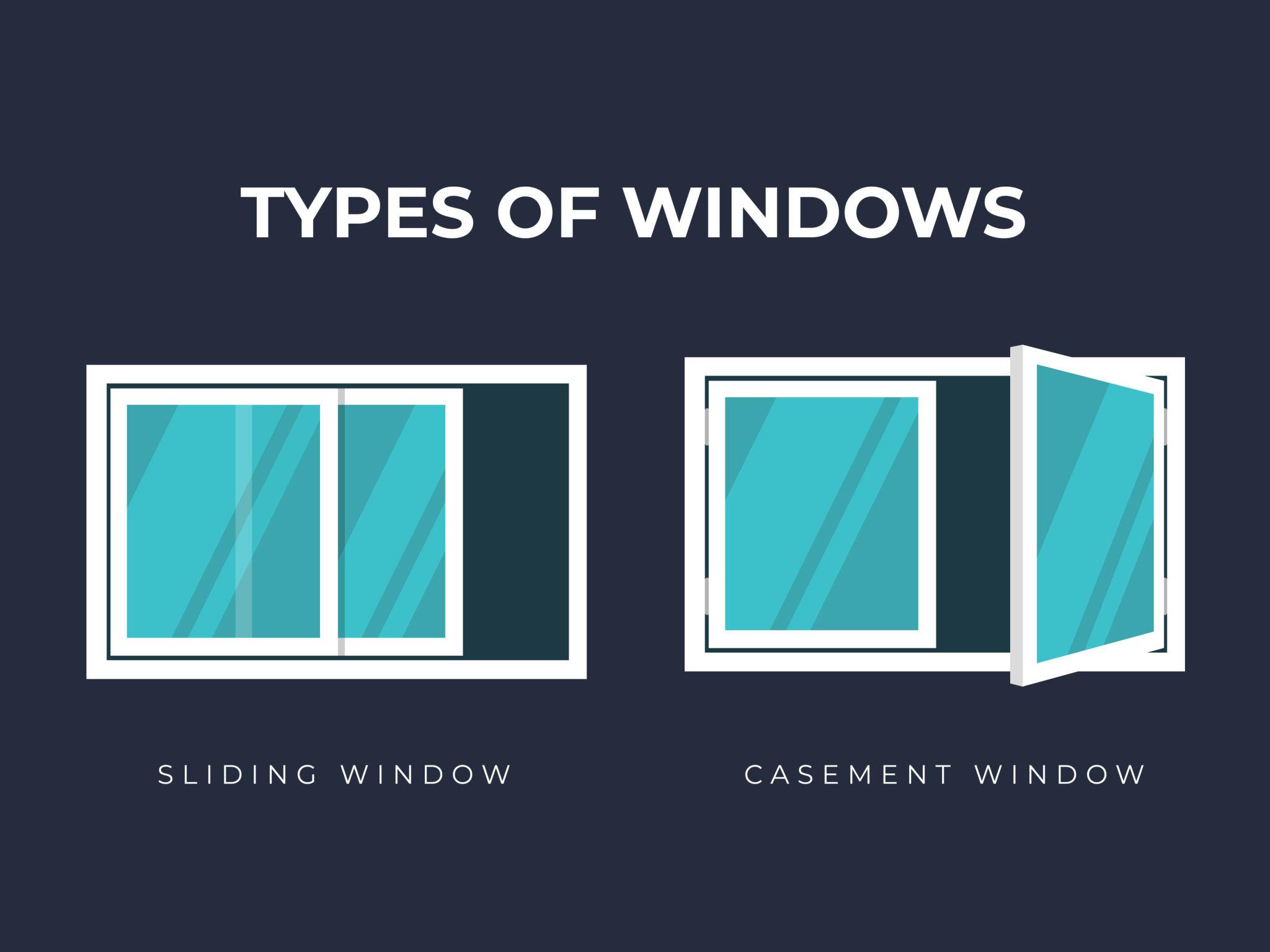
A sliding window opens sideways. One or more panels run along tracks in the frame, and depending on the system, either one panel moves and the other stays fixed, or several can move.
You see them a lot in apartments, on balconies, and in bedrooms and living rooms, because you get a wide glazed opening without a sash swinging into the room or out of it. They’re especially handy where furniture, curtains or a narrow passage would get in the way of a window that opens inward or outward.
They tend to work well in bedrooms and living rooms where floor space is tight, in apartments with balconies or views that suit wide openings, wherever you’d like a simple, easy way to open the window, and in contemporary designs built around clean lines and big areas of glass.
The catch is that how well a sliding vs casement performs depends on its rollers, tracks, interlocking profiles, seals and drainage. Those parts deserve a proper look, particularly in a building that takes heavy monsoon rain.
2. The casement window
A casement is hinged at the side and swings open, inward or outward, a bit like a door. Depending on the design, you work it with a handle or other hardware.
Its biggest advantage is that the open sash gives air a direct way in. Depending on wind direction and which way the window faces, the sash can even help guide a breeze into the room. When it’s shut, a casement can also seal very well, if the system has well-designed compression gaskets and the installation is done right.
Where do casements work well?
- Bedrooms and study rooms where you want controlled ventilation
- Homes where keeping out air and noise is a priority
- Spaces where the sash can swing without hitting furniture or blocking a passage
- Projects where the design makes cleaning and maintenance easy to get to
The thing to think about is clearance. An inward-opening sash can catch on curtains or furniture. An outward opening one needs enough free space outside, and it has to be suitable for how exposed the building is to wind.
3. Side by side
Feature Sliding windows Casement windows
How it opens Panels slide sideways along tracks Panels swing on side hinges
Space needed No swing clearance Needs clearance for the sash to open
Ventilation Depends on how much of the sliding Can give a direct opening for airflow opening is available Noise reduction Depends on the seals, glazing, frame Compression seals can seal well if design and installation properly designed and installed Rain protection Relies on the system’s seals, Relies on sash seals, frame design, interlocks and drainage design hardware and installation Maintenance Tracks and rollers need regular Hinges, handles and locks need cleaning and checking regular checking Everyday use Convenient where a swinging panel Convenient where the sash can open isn’t practical freely Best suited for Tight layouts and wide glazed Spaces that want a hinged opening openings and good compression sealing
Worth remembering neither type guarantees better weather resistance or sound insulation by itself. The full system specification, the glazing, hardware, seals, the installation and how exposed the building is all play a part.
4. Which is better for ventilation?
In a warm, humid climate, this is often the first thing people care about.
A sliding window usually lets you open only part of its total width at any one time, depending on how it’s configured. A casement opens across the whole area of its sash, so air has a direct route in.
That doesn’t mean every casement will ventilate a room better than every slider, though. The real result depends on the size of the opening, the wind direction, the buildings around you, the layout of the room and where the other openings are. For a bedroom or study where fresh air matters, think about the prevailing winds and the size of the usable opening, not just the window type.
5. Which copes better with the monsoon?
In a city like Kolkata, where rain can go on for days and wind pushes it sideways at the glass, this deserves real attention.
Sliding windows normally manage water with interlocking profiles, weather seals and drainage channels. How well that works depends on those features doing their job, and on the drainage openings staying clear.
Casements have compression seals that press against the frame when the sash closes, and a well-designed system can do a good job against air and water getting in. But an outward-opening casement that faces strong wind head-on must be designed for the wind loads and rain it will face. The hardware, the locking points and the installation details all count.
If you’re choosing windows for a monsoon-prone location, ask the supplier about the system’s tested air permeability, watertightness and wind-load performance, where those apply. Check that the installation details suit the building too.
In the end, it’s less about picking sliding or casement and more about picking a system that holds up under the conditions it will face.
6. Which is quieter?
If your home faces a busy road, a construction site or a crowded neighbourhood, noise may well decide it for you.
Casements with properly fitted compression seals have an edge in limiting air leakage around the closed sash. Gaps let sound through, so good sealing is a big part of acoustic performance.
But the frame isn’t the whole story. Glass thickness laminated or insulating glass, the quality of the seals, the installation joint and the wall around the window all affect how quiet the room ends up. A well-specified sliding window can perform well too. If noise matters a lot, compare the acoustic ratings of complete window assemblies and don’t rely on general claims about opening styles.
7. Space, looks and upkeep
The differences get clearer once you think about how the room is used.
Where space is tight, a sliding window is often the easier choice, since it doesn’t swing into the room or stick out when opened. Just keep the tracks and rollers clean so the panels keep moving smoothly.
Casements bring a different architectural look and can give a generous opening. They need enough clearance to operate safely, and the hinges, handles and locks should be checked from time to time.
Both come in aluminium systems with a range of finishes, profile sizes and glazing options. Whichever you choose should suit the building’s design without costing you function.
8. So, which one should you choose?
There isn’t one answer for every project, and going room by room usually works better than picking a single type for the whole building.
Sliding windows make sense when there isn’t room for a swinging sash, when you want wide glazed openings that are easy to operate, or when the layout is better off with a window that doesn’t project in or out.
Casements are worth considering when you want a hinged sash that opens right into the airflow, when good compression sealing matters, when the room has space for the opening panel, and when the chosen system suits the wind and rain exposure.
Plenty of projects end up using both. Sliders in the cramped spots, casements in rooms where the opening and the ventilation call for a hinged sash. The choice should follow what the space needs, not whichever design happens to be popular.
A window should suit the architecture and perform reliably in everyday conditions. So, we look at the opening mechanism, the aluminium profile system, the glazing, the hardware, the weather seals and the installation details together.
For homeowners, architects and builders, the better question isn’t “Which window looks better?” It’s “Which window suits this particular space?” Get that right, and you end up with a building that’s more functional and comfortable.
In short: sliding windows are often ideal when space and easy operation matter most. Casements can be a strong choice when you want a hinged opening and good compression sealing. The best option is whichever one meets your project’s actual requirements.
FAQ
Are casement windows better than sliding windows?
Not always. Casement windows often seal more tightly, but sliding windows are more practical where space is limited.
Which window gives better ventilation?
A casement sash can catch and direct breeze well. A sliding window opens only part of the total width, but it may be easier to use in tight spaces.
Which is better for balconies?
Sliding windows are often easier near balconies because they do not swing outward or inward.
Which is better for rain?
Weather performance depends on the system design, seals, drainage, installation quality, and opening style together.
What should I compare before choosing?
Compare the opening area, sealing, drainage, hardware quality, cleaning access, safety needs, and the room layout.